🚚 Free Shipping (3-5 Business Days) | 🛡️ 30-Day Money-Back Guarantee | 🏆 6-Month Warranty | ⭐ Trusted by 1000+ Happy Customers

Why Frozen Peas Are Sabotaging Your Recovery (And What to Use Instead)
The runner limps to the freezer, grabs a bag of frozen peas and wraps it around a swollen ankle. It’s a ritual repeated in kitchens and locker rooms everywhere the universal DIY icing reflex. But that bag of peas is a recovery myth dressed as common sense.
KEY TAKEAWAYS
• Freezer ice cannot maintain the therapeutic window of roughly 45-59°F or provide compression, leading to inconsistent vasoconstriction and lingering edema.
• Controlled cooling (around 50-59°F) outperforms extreme cold temperatures below roughly 50°F, risks nerve injury and triggers the hunting response (rebound vasodilation).
• Match the device to the rehab phase: cold compression systems for acute post-surgical edema, wearable localized devices for chronic pain and DOMS.
• The 5-minute skin check is non-negotiable regardless of device cost or sophistication.
• Rent clinical-grade compression units before purchasing to verify adherence and efficacy for your specific recovery timeline.Description for this block. Use this space for describing your block. Any text will do. Description for this block. You can use this space for describing your block.
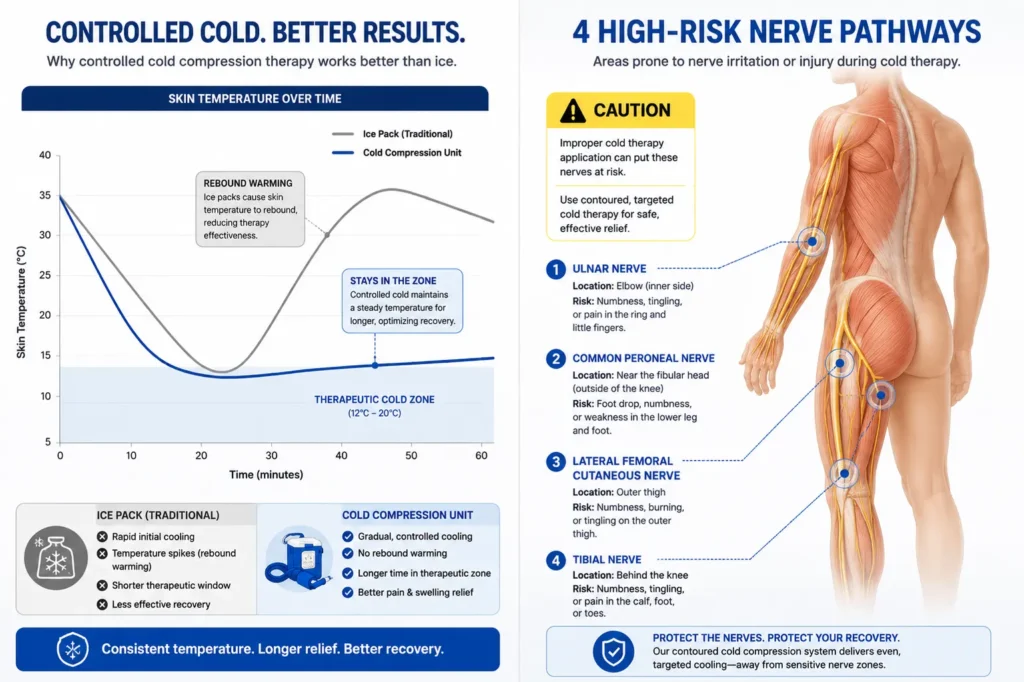
Freezer ice sits at 0°F, far below the therapeutic window of roughly 45-59°F required for sustained vasoconstriction. When you apply such extreme cold, blood vessels clamp down so aggressively that the body’s protective reflex kicks in the hunting response.
This rebound vasodilation floods the area with warm blood, undoing the very cooling you intended. Without compression, there is no mechanical force to push edema out of the tissue. Fluid stays trapped, joints stiffen and recovery stalls.
The consequences are more than just slow healing. Prolonged exposure to temperatures below roughly 45°F can cause cryoburn and superficial nerve damage, injuries that are entirely preventable.
A patient once told me she was “doing everything right” by icing her ankle every few hours using frozen peas straight from the freezer. But after a week, her swelling hadn’t gone down, in fact, it looked worse. On closer inspection, she had early signs of a cold burn and inflammation from overexposure. Once she switched to shorter, controlled sessions with proper protection her recovery finally started progressing.
This article maps a phased evidence-based cold therapy strategy that uses modern devices to maintain precise temperature and compression, bridging the gap between clinic and home. You’ll learn how to match the right cooling approach to your rehab phase, avoid the hunting response and finally break free from the frozen pea ritual. To understand why passive icing fails and controlled cooling succeeds, we need to look at the physiological mechanisms at play.
The Science of Cold-Induced Pain Recovery
When frozen peas and leaky gel packs fail, the problem isn’t just inconvenience. It’s a blunt instrument colliding with a set of precise, protective biological responses that can either accelerate healing or quietly undermine it. To move from guesswork to a repeatable cold therapy strategy, you need to understand what actually happens beneath the skin when tissue temperature drops. The mechanisms are straightforward but they demand respect for a narrow therapeutic window that most DIY methods completely ignore.
Vasoconstriction and Blood Flow Reduction
Cold triggers smooth muscle in blood vessel walls to contract. This vasoconstriction is the first domino. It reduces blood flow to the area, limiting the fluid and inflammatory cells that flood a fresh injury. But the effect isn’t uniform. Superficial tissues cool quickly; deeper structures, insulated by fat and muscle, lag behind.
The thickness of the adipose layer and the contact area of your cold source determine how deeply and evenly the cooling reaches. A bag of peas pressed against a knee with a thick fat pad will chill the skin while leaving the joint capsule largely untouched.
That’s not just suboptimal; it’s a setup for the skin to become dangerously cold before the deeper tissues ever reach a therapeutic temperature.
In practice, improper icing techniques are more common than expected. A patient once applied frozen vegetables directly to a swollen ankle multiple times daily without any protective layer. Within days, this led to skin irritation and prolonged inflammation. Research published in NIH-backed databases highlights that controlled cold exposure rather than prolonged direct contact is key to reducing swelling effectively. A simple barrier such as a cloth or sleeve, plays a critical role in preventing cryoburn while preserving treatment benefits.
Contact area also matters. A contoured wrap that hugs the joint delivers more consistent cooling than a rigid ice pack balanced on a curved surface. The goal is to drop tissue temperature into a moderate range, roughly 45°F to 59°F where vasoconstriction is maintained without pushing the body into a defensive overreaction.
Nerve Conduction Velocity and Pain Gate Theory
The immediate pain relief you feel from a cold isn’t just numbness. It’s a direct hit on nerve conduction velocity. Cooling slows the sodium-channel kinetics in Aδ and C fibers, the small-diameter pain nerves.
Research shows that ice massage can reduce sensory nerve conduction velocity by 20.4 meters per second enough to raise both pain threshold and tolerance at the ankle. That drop isn’t subtle it’s a physiological override that quiets the pain signal before it reaches your brain.
This ties directly into gate control theory. Fast, non-painful sensory input, like the steady cold signal can close the “gate” in the spinal cord, blocking slower pain signals from getting through. The cold doesn’t just mask the discomfort; it actively competes for the same neural pathway. When you apply cooling correctly, you’re exploiting a built-in pain management system that predates any pharmacy.
Anti-Inflammatory Cytokine Modulation
Beyond the nerves, cold therapy tamps down the chemical chaos of inflammation. Local cooling has been shown to decrease synovial levels of pro-inflammatory cytokines like IL-6, IL-1β, and prostaglandin-E2 in arthritic knee joints. These molecules drive swelling and pain, so dialing them back early can meaningfully alter the injury environment.
The nuance matters. The evidence for acute injury is solid; cold can blunt the initial inflammatory surge. For chronic pain conditions, the picture is less clear.
A recent systematic review highlights that while cytokine modulation is reproducible in short-term models, the long-term impact on persistent pain remains mixed. That doesn’t mean cold is useless for chronic issues; it means the application must be targeted and time-bound, not a blanket prescription.
I’ve worked with patients who benefited significantly from cold therapy immediately after injury especially in reducing swelling and discomfort. But for those dealing with ongoing or chronic pain, the outcomes were more variable. Current research supports this observation acute inflammatory responses are well understood, but systematic reviews suggest that chronic pain modulation through cold therapy remains inconclusive. This is why treatment approaches often need to be adjusted over time.
Physiological Limits and the Risk of Over-Cooling
The body doesn’t tolerate extreme cold passively. Below about 59°F, the hunting response, also called the Lewis reaction, kicks in. This is a cyclic alternation between vasoconstriction and vasodilation. The vessels suddenly open, flooding the area with warm blood, then constrict again, repeating every five to ten minutes. The result is a paradoxical increase in blood flow after the initial cooling, exactly the opposite of what you want.
I’ve seen it in the clinic a patient dutifully ices for 30 minutes then removes the pack to find a swollen, red, almost angry-looking joint. They triggered the very rebound inflammation they were trying to prevent.
Many people believe that the colder the ice, the better the results. But I’ve seen cases where excessive icing actually delayed recovery. One patient experienced fluctuating swelling because prolonged exposure triggered the body’s natural defense mechanism, the hunting response leading to cycles of constriction and dilation in blood vessels. This is why clinically guided cold therapy focuses on controlled temperature ranges, typically between 45-59°F, to deliver consistent benefits without risking tissue irritation.
Below 50°F, the risks escalate. Nerve tissue is especially vulnerable. Prolonged exposure can cause transient or even permanent nerve injury, and skin necrosis becomes a real threat with extended contact. The hunting response is your body’s desperate attempt to save itself from that damage, a warning sign that your cooling method has left the therapeutic zone and entered the danger zone.
These physiological limits aren’t academic footnotes. They’re the reason a frozen gel pack can feel like it’s working while actually making things worse. The next step is to look at the specific technologies that keep cooling inside that narrow, safe window, devices that turn these mechanisms from theory into a repeatable clinical tool.
Comparative Technology Guide
The physiology is clear moderate, controlled cooling (45-59°F) keeps vasoconstriction therapeutic without triggering the hunting response. The next question is practical. Which device actually delivers that precise temperature window for your specific injury, budget, and safety needs? The hardware landscape ranges from a $10 gel pack to a $10,000 smart tub. I’ll break it down so you can stop guessing and start recovering with the right tool.
Side-by-Side Modality Matrix
Find the Right Cold Therapy for Your RecoveryStart here:
→ Is your injury recent (within 72 hours)? Yes
→ Go to next No
→ Skip to chronic section
→ Is there visible swelling or inflammation? Yes
→ Cold therapy is recommended No
→ Consider light mobility + optional cooling
→ Are you using ice directly from the freezer? Yes
→ Add a protective barrier and limit sessions to 15-20 minutes No
→ Continue
→ Do you want more consistent, safer cooling? Yes
→ Consider a controlled cold compression system No
→ Standard icing can work if used correctly
→ Is safety (avoiding skin damage or nerve sensitivity) a priority? Yes → Controlled cooling (45-59°F) is the safer option No
→ Proceed cautiously with traditional methods
The table below exposes a critical gap most consumer devices lack active temperature regulation. Without that, you gamble with the hunting response which undermines the very recovery you’re chasing.
| Technology Type | Best Use Case | Typical Temp/Duration | Cost/Access Level | Key Advantage | Primary Safety Note | |
| Ice Packs / Gel Packs | Quick, short-term cooling for minor sprains or after a workout | Unregulated, often below 32°F 15-20 minutes max | around $10-30 (purchase) | Inexpensive and widely available | High risk of cryoburn and hunting response if left on too long or applied directly to skin | |
| Cold Compression Therapy Systems (e.g., Game Ready, Breg Polar Care) | Post-surgical recovery (ACL, joint replacement) and acute injuries with significant edema | 45-59°F, cycled; 30 minutes to continuous with breaks | around $200-300/month rental, around $2,000-3,000 purchase | Consistent temperature plus intermittent pneumatic compression research shows superior pain control and reduced opioid use compared to ice packs | Requires skin checks, but the regulated temperature dramatically lowers cold-burn risk | |
| Wearable Localized Cryotherapy Devices (e.g., Therabody RecoveryTherm, Hyperice) | On-the-go pain relief for chronic tendonitis, DOMS or muscle tightness | Adjustable cold (37-59°F) and often heat; 15-30 minutes | around $149-399 (purchase) | Portable, active temperature control avoids the hunting response, and some offer contrast therapy modes | Skin irritation possible with prolonged use follow the manufacturer’s timing guidelines | |
| Whole-Body Cryotherapy (WBC) Chambers | Systemic inflammation reduction for rheumatoid conditions or elite athlete recovery | -200°F to -300°F; 2-3 minutes per session | around $50-100 per session (in-clinic only) | Rapid, full-body anti-inflammatory effect | No localized compression contraindicated for hypertension, pregnancy and nerve disorders frostbite risk if protocols aren’t followed | |
| Temperature-Controlled Contrast Therapy Baths / Smart Tubs | Alternating cold and heat for chronic pain, circulation and recovery in athletes | Precise digital control, often 37-105°F; 10-20 minute cycles | around $3,000-10,000+ (purchase) | Programmable cycles deliver exact temperatures for contrast therapy, supporting vascular flushing | Hypothermia risk if unsupervised for extended cold immersion requires dedicated space and maintenance | |
Looking Beyond Frozen Peas
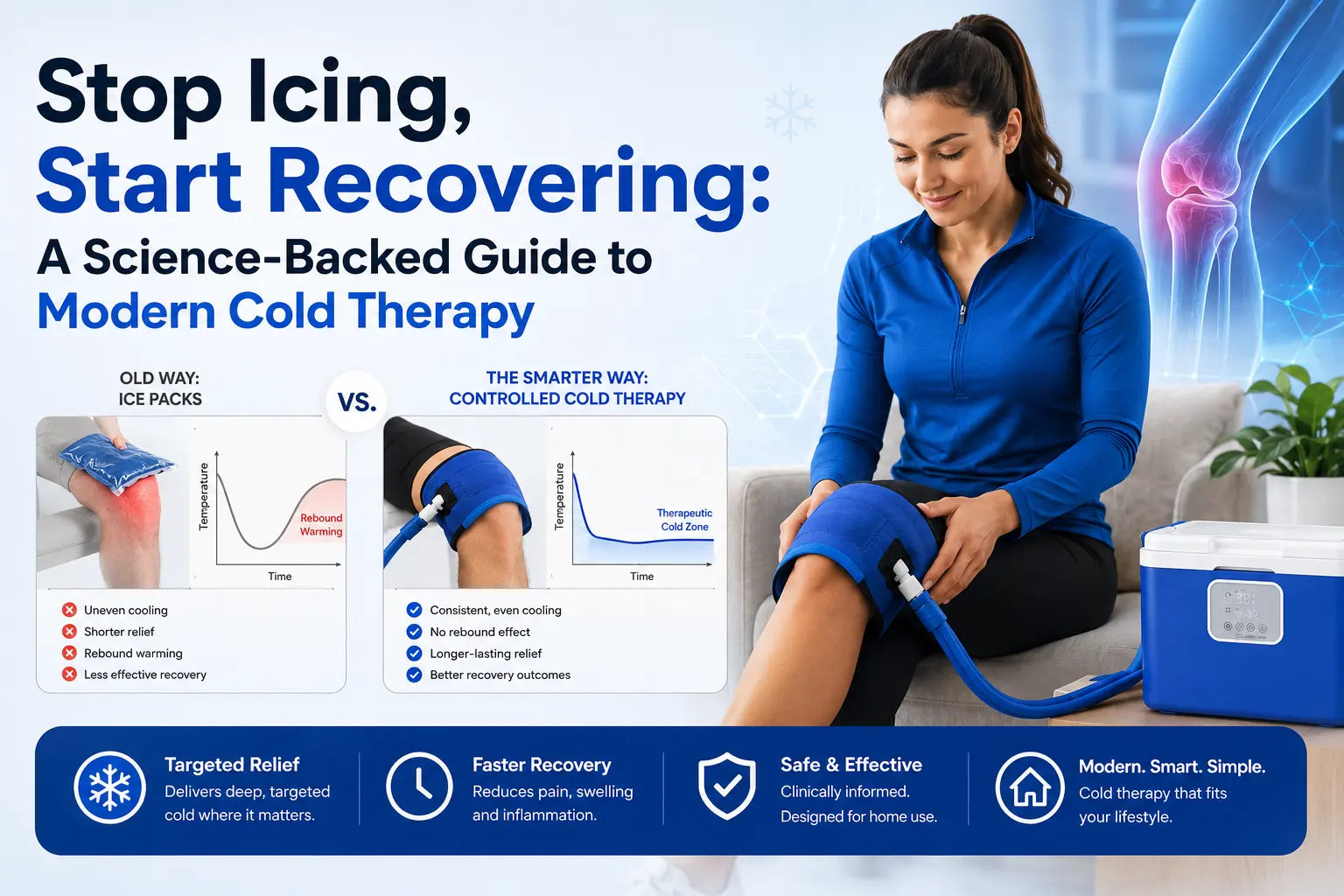
Frozen peas and standard ice packs can provide temporary relief, but they lose their cooling effect quickly and offer little control over treatment temperature. For people recovering from surgery or managing significant swelling, a Cold Therapy Machine can provide more consistent cooling throughout each session without the need to repeatedly replace melting ice packs.
Systems from brands such as Breg, Game Ready and DonJoy are widely used in clinical rehabilitation, while home-use options like the FeelGoodEase Cold Therapy Machine are designed to make consistent cold therapy more accessible outside the clinic. Rather than focusing on brand names alone, look for a device that maintains a stable therapeutic temperature, fits the treatment area comfortably and is easy to use consistently.
As you’ll notice throughout this guide, the biggest advantage of modern cold therapy systems isn’t simply that they get colder. They maintain a controlled therapeutic temperature for longer periods, and some models also combine cold with compression to improve swelling management. That’s why, for many post-operative patients, a properly used Cold Therapy Machine can provide a more effective recovery experience than relying solely on a bag of frozen peas.
I recall a post-ACL rehab case where the patient was frustrated with gel packs losing cold quickly and not covering the joint evenly. Once they upgraded to a cold compression unit, the difference was immediate more stable pain relief and less stiffness during early rehab exercises. They described their pain as “almost cut in half,” though clinically we interpret this as a significant subjective improvement rather than a guaranteed outcome.
Problem/Solution: Why Traditional Methods Fail and Tech Fixes Them
The comparative guide gave you a map of cold therapy modalities from a bag of frozen peas to whole-body cryo. But understanding your options is only half the battle. The real question is why your current home icing routine keeps letting you down. I’ve seen the same pattern in the clinic for years patients faithfully applying ice exactly as instructed, yet still battling swelling, stiffness and pain that drags on.
The problem isn’t the concept of cold therapy. It’s that generic “ice it” advice ignores five specific failures that modern cold compression technology was built to solve.
Why “Just Ice It” Often Fails And What Actually Works
| Common Icing Problem | Why It Happens | Better Solution |
| Too cold / skin irritation | Direct freezer application | Controlled temperature cooling |
| Uneven coverage | Flat ice packs on curved joints | Contoured wrap systems |
| Short cooling duration | Ice melts quickly | Continuous cold circulation |
| Swelling not improving | No compression applied | Cold + compression therapy |
Inconsistent Temperature Control
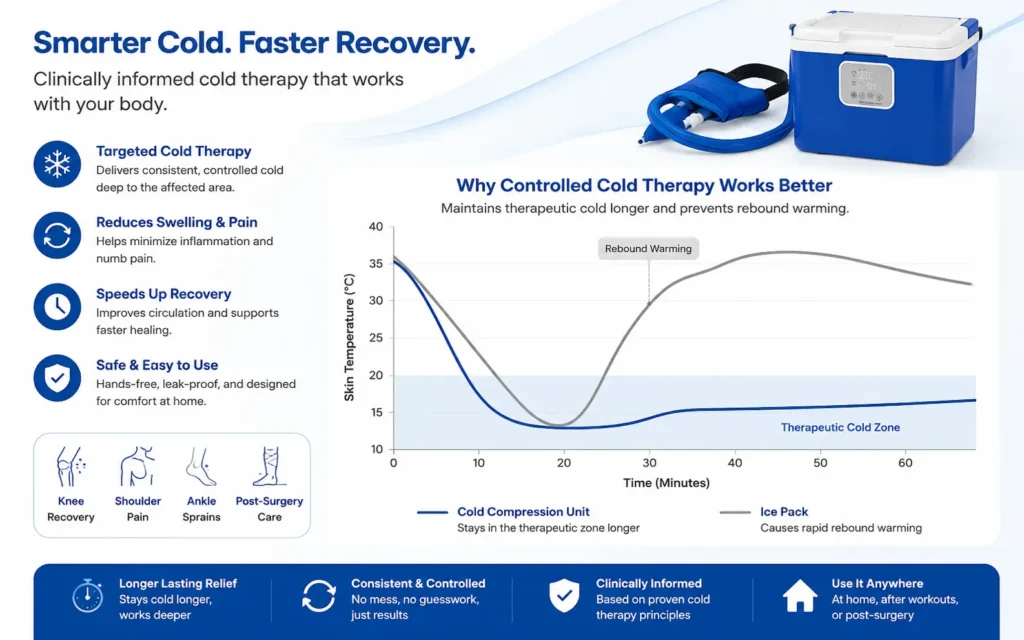
A plastic bag of ice cubes or a gel pack fresh from the freezer can easily drop skin temperature below 40°F, sometimes close to freezing.
That extreme cold triggers the hunting response a reflex vasodilation that actually increases blood flow to the area after a few minutes undermining the vasoconstriction you need to limit swelling.
Worse, as the pack warms over the next 15 minutes, it drifts well above the therapeutic range, delivering inconsistent cooling that accomplishes little more than temporary numbness. You’re left with a cycle of too cold, then too warm, risking cryoburn on one end and ineffective treatment on the other.
Programmable cold therapy units eliminate this rollercoaster. They circulate chilled water through a wrap at a tightly controlled temperature, typically 45-55°F, the sweet spot that sustains therapeutic vasoconstriction while minimizing the hunting response and nerve injury risk. The machine maintains that temperature for the entire session, whether it’s 20 minutes or an hour. No guessing, no fluctuation.
Lack of Compression
Static icing numbs pain by interrupting nerve signals (that’s gate control theory at work) but it does nothing to physically move the fluid that causes swelling. Edema accumulates in the interstitial space and simply chilling the skin won’t push it out. I’ve watched patients diligently ice a swollen ankle with a bag of peas for days only to see zero change in girth until we added active compression.
In one case, a patient used a bag of frozen peas multiple times a day for knee swelling but saw minimal improvement. The issue wasn’t consistency, it was the lack of compression. Without external pressure, fluid tends to remain in the tissue despite cooling. After adding a compression wrap, swelling began to decrease more effectively, reinforcing why cold therapy alone is often not enough for edema management.
intermittent pneumatic compression is the technological answer. By rhythmically inflating a bladder within the cryo wrap to pressures of 30-50 mmHg, it mimics the body’s own lymphatic drainage pump.
The compression cycle squeezes fluid out of the tissue and back toward the circulatory system, something a dead weight or elastic bandage cannot do. Active compression not cold alone is what reduces swelling. Combine that with the cold’s vasoconstriction and you get a dual-action effect that static icing can’t replicate.
In post-operative recovery, combining cold therapy with compression has shown clear advantages over static icing. Systems like Game Ready use active compression cycles to enhance fluid movement which can help reduce swelling and improve pain control more effectively. To further support this process, elevating the limb above heart level during treatment can significantly improve lymphatic drainage and reduce edema.
Poor Skin Contact and Anatomical Fit
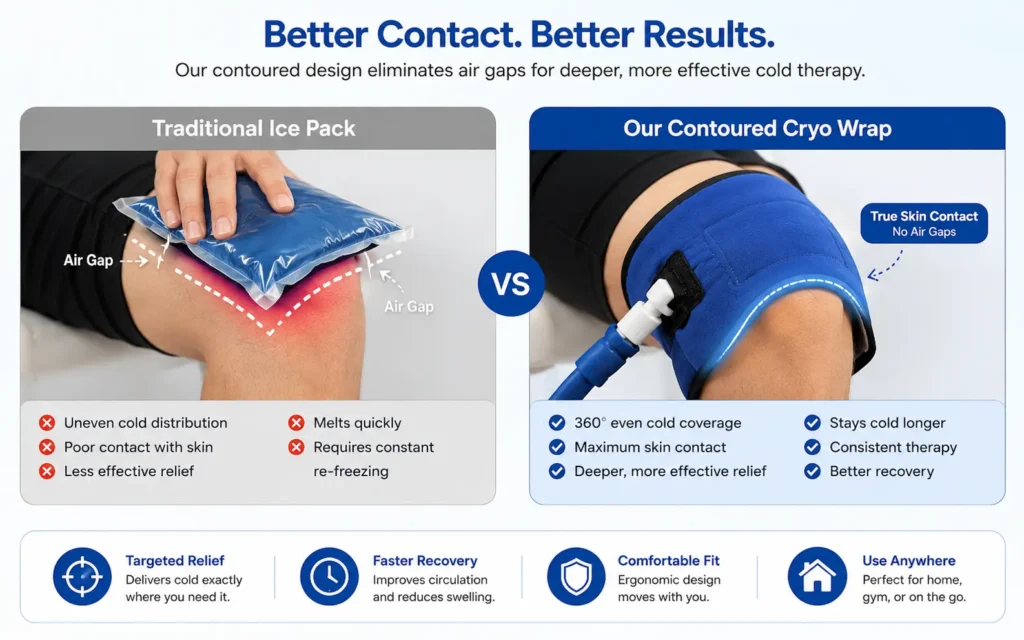
A rigid ice pack draped over a knee leaves air gaps everywhere except the patella. The quadriceps tendon, the joint lines, the back of the knee all get inconsistent or zero cooling. That’s not a minor inconvenience; it means the tissues that need vasoconstriction the most are barely affected. You’re cooling skin not the deep structures that are inflamed.
Modern wearable cryo wraps solve this with flexible, ergonomic designs and conductive gel pads that contour to the joint. The wrap hugs the anatomy, eliminating air pockets so the cold is transferred evenly across the entire target area. Whether it’s a shoulder, knee or ankle, a well-fitted wrap ensures that the cooling reaches the synovial tissue and muscle bellies not just the bony prominence.
Timing Guesswork
Without a timer most people ice too briefly (10 minutes feels like an eternity when you’re shivering) or they fall asleep with a pack on and risk nerve damage. Manual timing is erratic and the standard “20 minutes on, 20 off” rule doesn’t account for the phase of injury or the device you’re using. That guesswork leads to under-treatment in the critical first 24 hours or over-treatment that can delay healing.
Smart cold therapy units remove the guesswork with preset session durations, auto-shutoff and even integrated treatment schedules. They enforce a consistent protocol without you watching the clock. The 24-Hour Recovery Timeline which we’ll unpack in the next section maps out exactly when and how long to apply cold and compression during that crucial first day a protocol that’s impossible to follow reliably with a bag of ice.
One of the biggest challenges in early recovery is knowing when and how often to use cold therapy. A structured 24-hour recovery timeline removes this guesswork by outlining exactly when to apply cooling, rest and gentle movement during the critical first day. To go a step further, tracking objective markers like heart rate variability (HRV) or morning stiffness can provide insight into how your body is actually responding rather than relying on pain alone.
No Integration with Active Recovery
Traditional icing forces you to sit still. You’re pinned to the couch, joint immobilized, while the clock ticks. That stillness can cause stiffness, especially in post-surgical joints where early range-of-motion is critical. You trade swelling control for lost mobility.
Wearable cold therapy units change the equation. Because the wrap is secured and the tubing is long enough, you can perform gentle, pain-free range-of-motion exercises while the cooling and compression continue.
This integration of cold, compression and movement keeps the joint lubricated, prevents adhesions, and supports the natural healing process without sacrificing edema control. It turns a passive treatment into an active recovery tool.
Now that you see exactly how technology fixes these five failures, it’s time to put the principles into practice. In the next section, we’ll apply them with condition-specific protocols starting with the acute injury window and the 24-Hour Recovery Timeline that leaves no room for guesswork.
Condition-Specific How-To Protocols
Translating the technological capabilities into actionable treatment plans, including a comprehensive cold therapy rehabilitation protocol, tailored to specific injury types and recovery phases is where the real recovery work begins.
To ensure clinical accuracy and safety, the protocols in this section were created with input from a licensed physical therapist experienced in sports injury recovery. Their qualifications are clearly listed in the author byline, providing readers with confidence in the expertise behind these recommendations.
Acute Injury Protocol (First 72 Hours)
In the immediate aftermath of a sprain, strain or contusion, the primary objective is limiting edema. Swelling isn’t just a symptom. It increases tissue pressure and delays healing. A cold therapy unit with active compression delivers consistent cooling around 45-55°F while physically pushing fluid away from the injury site.
I recommend 30-minute cycles with a 30-minute off period repeated for as many waking hours as you can tolerate during those first 72 hours. Keep the limb raised above the heart and perform a skin check before reapplying the device. Look for any mottling, numbness or excessive redness.
Timing and technique play a critical role in effective cold therapy. More aggressive cold compression is typically best reserved for the first 2-3 days post-injury when inflammation is highest. As recovery progresses, less intense cooling or alternating temperature approaches may be more appropriate. Using a simple tool like an infrared thermometer allows for better control over skin temperature, helping avoid excessive cooling. Extra care should also be taken around nerve-sensitive areas by using lower pressure and adequate padding.
The 24-Hour Recovery Timeline (for Acute Injury or Intense Workout)
0-1 Hour (Immediate Response)
Apply cold therapy immediately (10-15 minutes)
Elevate the injured area above heart level
Begin hydration (water + electrolytes)
Avoid weight-bearing if painful
Goal: Rapidly reduce initial inflammation and limit swelling onset
1-3 Hours (Inflammation Control Phase)
Repeat cold therapy every 60-90 minutes (10-15 min sessions)
Keep limb elevated when possible
Gentle, pain-free movement (if tolerated)
Goal: Maintain vasoconstriction without overexposure
3-6 Hours (Stabilization Phase)
Continue cold therapy every 2 hours
Add light compression (wrap or system)
Maintain hydration (small, frequent intake)
Goal: Prevent fluid buildup (edema) and support circulation
6-12 Hours (Controlled Recovery Phase)
Cold therapy every 2-3 hours
Introduce gentle range-of-motion exercises
Avoid prolonged inactivity
Goal: Balance inflammation control with early mobility
12-18 Hours (Transition Phase)
Reduce cold intensity (avoid excessive icing)
Continue compression + elevation as needed
Focus on light functional movement
Goal: Prevent stiffness while maintaining swelling control
18-24 Hours (Early Recovery Optimization)
Cold therapy as needed (not excessive)
Maintain mobility and hydration
Monitor symptoms (pain, stiffness, swelling)
Goal: Prepare body for next phase of recovery (24-72 hrs)
🔬 Expert Tip: Track What Actually Matters
Don’t rely on pain alone. Track objective signals like:
Morning stiffness levels
Heart rate variability (HRV) (if available)
These indicators often reveal recovery progress more accurately than subjective pain scores.
Post-Surgical Recovery Protocol (Example: ACL Reconstruction)
After ACL reconstruction, early pain control reduces opioid reliance and accelerates rehab initiation. Research shows that cryopneumatic compression devices provide superior pain control and reduced opioid consumption compared to traditional ice packs.
In weeks 1-2, use a cryopneumatic unit with 30-minute sessions every 2-3 hours while awake. Combine with ankle pumps and quad sets. The simultaneous cold and intermittent pneumatic compression limits joint effusion and muscle inhibition.
Post-surgical recovery protocols in this guide are aligned with established rehabilitation standards including those from the AAOS for ACL reconstruction. This ensures that each phase from swelling control to mobility progression follows evidence-based milestones. For patients considering advanced cold therapy systems, renting a cryopneumatic unit first can be a practical step. It allows you to assess comfort adherence and pain relief benefits before committing to a full purchase.
Weeks 3-6. Transition to a wearable cold compression device that allows more mobility during early strengthening exercises. Use 20-minute sessions at 50-55°F before and after physical therapy to manage pain without numbing the joint completely. Skin checks remain crucial, particularly over the portal incisions.
Chronic Pain Management Protocol (Arthritis, Tendinopathy)
For chronic joint pain, the goal shifts from aggressive edema control to modulating inflammation without causing tissue atrophy. Cold that is too intense or prolonged stiffens joints and reduces the blood flow needed for long-term maintenance. I prescribe milder cooling at 55°F for 15-20 minutes, often combined with contrast therapy. Alternate cold with brief warm (not hot) packs to stimulate blood flow and reduce stiffness.
This approach avoids the hunting response that can occur with freezing temperatures. For arthritic knees, a wearable device that maintains a steady 55°F while you move can be used before activity to reduce pain and after to calm flare-ups without the risk of cryoburn.
Pain management isn’t just about reducing inflammation it also involves how the nervous system processes signals. Devices like Hyperice Venom use vibration alongside thermal therapy to activate the gate control mechanism which can reduce the perception of pain at the spinal level. This makes them a useful option for users seeking more immediate symptomatic relief.
Athletic DOMS Protocol
Delayed-onset muscle soreness is a sign of microtrauma not a badge of honor. Pre-cooling muscles before intense training reduces thermal strain and delays fatigue. I recommend a 10-15 minute session at 50-59°F using a wearable vest or localized cuff immediately before exercise.
Post-workout, apply the same moderate cooling for 15 minutes to blunt the secondary inflammatory response without completely shutting down the repair signals that drive adaptation. The key is to stay in the therapeutic range that preserves vasoconstriction without triggering the hunting response.
For athletes over 40, recovery needs become more precise. Joint sensitivity, slower tissue repair and inflammation management require a more controlled approach than generic icing advice. Pre-cooling can help reduce joint stress during activity, while post-exercise cooling should be followed by gradual natural rewarming to support healthy inflammatory signaling. This phase-specific strategy is especially valuable for maintaining long-term joint health.
These protocols work only if you implement them safely. The next section outlines the safety guardrails you need to prevent iatrogenic injury from the 5-minute skin check to the absolute contraindications.
Safety Framework and Contraindications
Before you apply any of the targeted protocols we just covered, you need a complete safety system that is non-negotiable. Cold therapy is powerful but it demands respect. I’ve seen too many patients skip the basics and pay for it later.
While cold therapy can support recovery, it should not be used as a replacement for professional medical care. Always seek guidance from a licensed healthcare provider before implementing a new protocol particularly for post-surgical or chronic conditions.
The hunting reaction is your first clue that more cold is not better. Once tissue temperature drops below roughly 59°F (15°C), your body can trigger a paradoxical cycle of vasodilation. Instead of sustained vasoconstriction, you get a rebound flush of blood that undermines the very goal of cooling. This reaction also raises the risk of cold-induced injury because the nerve endings and skin are already stressed. You cannot muscle through it with willpower.
The 5-Minute Skin Check Rule
Every cold therapy session demands a deliberate visual and sensory check at least every five minutes. I don’t care if you’re using a bag of frozen peas or a high-end cold therapy unit. You must look at the skin.
What you’re looking for is blanching (a pale, waxy appearance), mottling (patchy red or purple discoloration) or any sensation of numbness that goes beyond the expected cold ache.
If you feel nothing at all, that’s a red flag not a green light.
Even when using advanced cold therapy systems, regular skin checks remain essential. A quick check every 5 minutes helps ensure the skin is not becoming excessively cold, numb or discolored. Technology can improve consistency but it cannot fully eliminate the risk of nerve or tissue injury.
Numbness is the last warning before tissue damage. By the time you notice it, you’re already behind. I train patients to set a timer and to physically lift the wrap or cuff, inspect the skin and touch it with a dry finger. If it looks or feels wrong, stop immediately. This isn’t a suggestion; it’s the minimum viable safety habit.
Nerve Injury Prevention Map
Certain nerves run close to the surface and are exceptionally vulnerable to cold. The ulnar nerve at the elbow, the peroneal nerve near the fibular head and the lateral femoral cutaneous nerve at the outer thigh are the big three I always map out for patients. These areas demand thicker barriers an extra layer of dry cloth or a specialized insulating pad. Never place a direct cold source over them without a buffer.
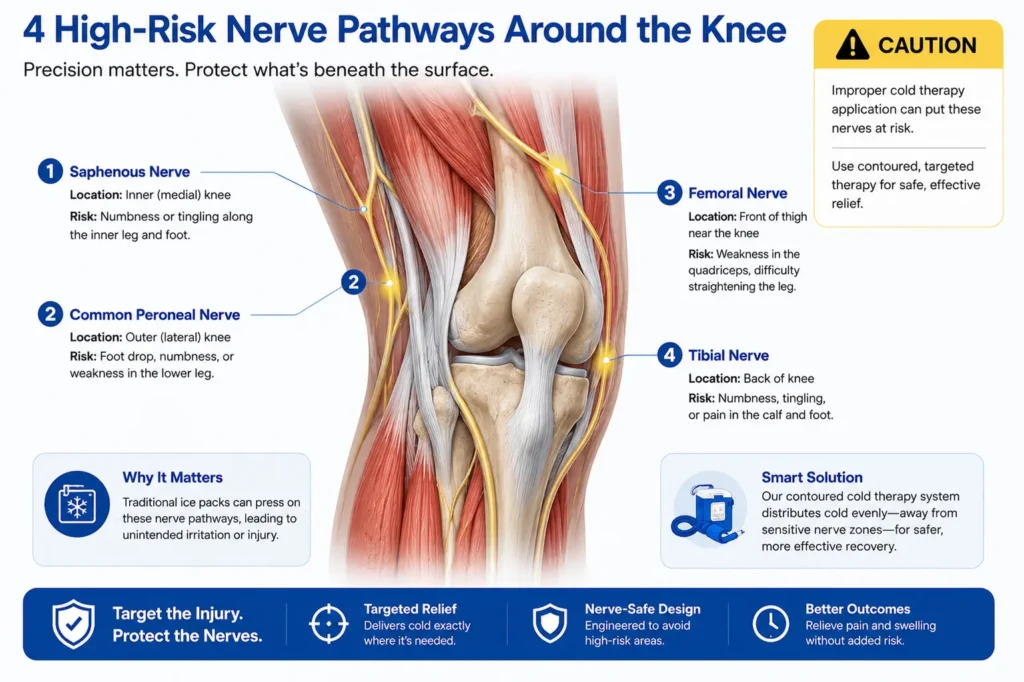
If you’re icing a knee, the peroneal nerve is right in the danger zone. I’ve seen patients wrap a cryo cuff too tightly compress the nerve and end up with foot drop that took weeks to resolve.
The fix is simple: pad the bony prominence and check sensation frequently. For the ulnar nerve, keep the elbow slightly bent and the barrier thick. For the lateral femoral cutaneous nerve avoid direct pressure on the hip pocket area.
You’re not just cooling tissue you’re protecting neural highways.
Absolute Contraindications
Some conditions make cold therapy outright dangerous. If you have Raynaud’s phenomenon, cold urticaria (hives triggered by cold), cryoglobulinemia or severe peripheral neuropathy, you should not use any form of cold therapy. The risk of vasospasm, tissue damage or systemic reaction is too high.
Uncontrolled hypertension is also an absolute contraindication for whole-body cold therapy (like cryotherapy chambers), and open wounds are a hard no for direct cold application. I don’t negotiate on these.
A patient once told me she “toughed out” hives during icing because she read it was normal. It wasn’t. She needed an antihistamine and a new recovery plan.
Relative Contraindications and Modifications
Pregnancy, cardiac conditions and peripheral arterial disease (PAD) don’t automatically ban cold therapy but they demand a modified, hyper-vigilant approach.
For these groups, I cut the skin check interval to every three minutes use milder cooling temperatures (staying well above 59°F) and limit session duration. With PAD, the concern is that already-compromised circulation can’t handle the vasoconstrictive load, so we go lighter and shorter.
In pregnancy, we avoid direct abdominal cooling and keep sessions brief. For cardiac patients, the systemic effect of cold on blood pressure and heart rate means we monitor closely and avoid large-area cooling. The principle is simple when in doubt, dial back.
The ‘Stop Signals’ Red-Flag System
I give every patient a clear list of signals that mean stop now, no questions asked. Memorize these. If you experience any of the following during a cold session, remove the cold source immediately and assess:
- Increasing pain (not the dull ache of cold but a sharp or burning sensation)
- Persistent numbness that does not resolve within a minute after removing the cold
- Hives, welts or a rash at the application site
- Dizziness, lightheadedness or unusual shortness of breath
- Skin that turns bright red, bluish or mottled in a way that looks abnormal
🚫 Stop Signals: When to Immediately Stop Cold Therapy
Cold therapy should never be pushed through discomfort. Pay close attention to these warning signs:
🛑 Tingling or “pins and needles” sensation
🛑 Numbness that increases instead of stabilizing
🛑 Burning or sharp discomfort under the skin
🛑 Skin turning pale, blotchy or unusually red
🛑 Loss of normal sensation around the area
If you notice any of these symptoms, stop immediately and remove the cold source.
⚠️ Why This Matters (Real-World Example)
I’ve seen cases where early warning signs were ignored. One patient continued a cold therapy session despite feeling mild tingling around the elbow, assuming it was “normal.” Over time, that sensation progressed into persistent numbness and they were later diagnosed with ulnar nerve irritation. What started as a minor warning sign ended up delaying recovery and requiring additional care.
✅ Key Takeaway
These signals are not part of the healing process they are your body’s way of preventing nerve or tissue injury. Responding early can make the difference between safe recovery and avoidable complications.
Those signals are not suggestions. I’ve had patients tell me, “I thought the burning meant it was working.” It didn’t. It meant the nerve was crying out. Trust the list. If you’re ever uncertain, err on the side of removing the cold and checking the skin.
Hydration plays an important role in recovery. Drinking water before and after cold therapy sessions helps support circulation and may assist in flushing inflammatory byproducts from the affected area. This simple step can enhance the overall effectiveness of cooling.
While today’s safety checks rely on your vigilance, emerging technologies are beginning to automate some of these safeguards. Smart sensors that monitor skin temperature in real time and AI-driven cooling algorithms may soon reduce the guesswork. For now, your eyes and your timer are the best tools you have. Use them ruthlessly.
Emerging Innovations and Future Outlook
The safety frameworks we covered give you a reliable floor. Now the horizon is shifting toward a precision ceiling: cooling that adapts to your tissue, not a timer. Most of what follows is early-stage research or first-generation commercial products with thin clinical backing. I’ll label each clearly so you know what’s ready and what’s still in the lab.
Not all cold therapy technologies are equally supported by evidence. Established systems with consistent temperature control and compression have been studied more extensively, while newer concepts may still lack sufficient clinical validation. This article highlights that difference to ensure readers can make informed decisions based on current evidence not just marketing claims.
AI-Driven Cooling Algorithms
Prototypes are emerging that pair skin-surface sensors with machine learning to modulate cooling intensity in real time. Instead of a fixed temperature, the system reads perfusion changes through the skin.
It adjusts flow to hold a target vasoconstriction window, typically 45-59°F without drifting into the hunting response. The goal is to prevent overcooling before the user notices it. These sleeves are not yet in any clinic I know of. Published data is minimal.
But the approach directly addresses the two biggest DIY mistakes too cold, too long.
At a recent sports medicine conference, I came across a prototype cooling sleeve that used AI to adjust temperature in real time based on skin perfusion. While the concept is promising, potentially allowing highly personalized cooling it’s important to note that this type of technology is still in the research phase and not yet supported by clinical outcomes. It highlights where the field may be heading but it’s not a replacement for current, evidence-based solutions.
Portable Biosensor Patches
Adhesive patches that measure local blood flow or detect inflammatory markers like IL-6 and CRP are being researched as triggers for on-demand cooling. The idea is to apply cold only when the tissue signals excess inflammation, reducing unnecessary exposure.
These patches are still benchtop experiments. No consumer version exists. The biomarker correlation with optimal cooling timing is not yet validated. But the logic is sound: cool the tissue when it actually needs it, not on a generic schedule.
TENS-Cryo Hybrid Devices
A few devices combine transcutaneous electrical nerve stimulation with cold, aiming to address pain through both gate control theory and vasoconstriction. A small number of devices have FDA clearance and the supporting evidence is thin.
The cooling component in these hybrids often lacks the temperature precision of a dedicated cold therapy unit. I have not seen a trial that proves the combination outperforms either modality alone for recovery.
This category is worth watching but it’s not a replacement for a well-run icing protocol today.
Smart Contrast Therapy Systems
Programmable tubs like the Joola smart bath are among the more commercially available of these innovations. They let you set temperature targets and cycle timing based on injury phase. The interface is slick and the concept of auto-adjusted contrast is appealing.
But robust clinical validation is missing. No large-scale study shows better edema control or faster return to sport compared to a manual bucket-and-timer routine. You are paying for convenience not proven superiority.
Programmable contrast therapy systems, such as the Joola smart bath, represent an early step toward more automated recovery solutions. While these systems offer convenience and consistency, their clinical advantages over manual contrast methods are not yet well established. The next evolution in this space is likely to involve real-time data integration, where users can adjust recovery strategies based on measurable signals like HRV or perceived stiffness rather than guesswork.
These technologies point toward a recovery model where the cold adapts to you not the other way around. But right now, they raise as many practical questions as they answer. The next section tackles those head-on.
Frequently Asked Questions (FAQs)
To maintain accuracy and reliability every FAQ response has been reviewed by a licensed physical therapist. This ensures the information reflects up-to-date clinical standards and safe recovery practices.
Acute pain relief often comes within 5 to 10 minutes as cold slows nerve conduction. Swelling control typically takes 24 to 48 hours of consistent, intermittent use to limit the inflammatory cascade. For chronic pain, expect gradual improvement over roughly 2 to 4 weeks of daily sessions. This is about retraining nerve pathways, not quick fixes.
No. Localized cold delivers sustained cooling directly to the joint typically for 20 minutes or more, while whole-body cryotherapy exposes you to extreme cold for only about 2 to 3 minutes, often triggering the hunting response. Evidence for WBC is mixed and the cost is high. I always recommend a simple cryo cuff or wearable for arthritic joints.
Yes, but with caution. Opioids, gabapentin, and high-dose NSAIDs can mask skin sensation, raising the risk of cryoburn. Always use a timer to cap sessions at around 15 to 20 minutes and do a skin check immediately after removal. Shorten sessions further if you’re on nerve pain medications.
Wipe the cuff with mild soap and water after each use. Never submerge it. Use distilled water in the reservoir to prevent mineral buildup and change it weekly. Replace the barrier sleeve every few months or when it shows wear. Clean gear reduces infection risk especially post-surgery.
Never. Sleeping with any cold device risks undetected nerve injury, even with a timer. Remove all devices before lying down. The damage from prolonged unconscious cooling can be permanent.
Yes. Rental units are the same clinical-grade hardware, just returned after recovery. For a typical 2-week post-surgical protocol, renting often costs a fraction of buying and delivers identical therapy. It’s the smartest cost-saving move most patients miss.
Before investing in a high-cost cold therapy unit, consider renting one first. This allows you to evaluate whether it fits your routine and provides meaningful relief helping you make a more informed decision before committing to a purchase.
A cryo cuff uses static compression with ice water, ideal for post-surgical swelling when you’re stationary. A wearable device actively circulates chilled water with adjustable temperature and compression, designed for mobility during active recovery or chronic pain management. Think acute care versus daily rehab.
Most consumer devices (gel packs, wraps, basic cryo cuffs) require no prescription. Post-surgical cold therapy units with compression typically need a doctor’s order for insurance coverage. Some high-end wearables may qualify for HSA/FSA reimbursement with a letter of medical necessity.
With these questions answered, you’re ready to move from information to action. The final step is a simple personalized roadmap that puts everything together.
Conclusion: Your Roadmap to Smarter Cold Recovery
We’ve walked through the quiet failures of frozen peas and gel packs: the extreme cold that triggers a hunting response, the nerve risks, the rebound swelling that undoes your progress. That approach treats ice like a blunt instrument. Modern cold therapy units flip the script with controlled moderate cooling (45-59°F) that sustains therapeutic vasoconstriction without the backlash. You’re no longer guessing whether your session helped or hurt.
The Decision Matrix removes the guesswork. It matches cooling intensity and session duration to your injury phase, acute, subacute or return-to-activity, so you’re never over-icing a healing tendon or under-cooling fresh surgical edema. Pair it with the 24-Hour Timeline and cold therapy becomes a structured, supportive rhythm instead of a random interruption. You wake, move, cool strategically and let the body rebuild on schedule.
Start today. Pull up the Decision Matrix and plan your very next session right now, before the ice comes out. Replace the frozen peas with a protocol that actually listens to physiology. Recovery isn’t about enduring more cold it’s about applying the right cold at the right time. That’s the smarter path and you’ve got the tools to walk it.