
🚚 Free Shipping (3-5 Business Days) | 🛡️ 30-Day Money-Back Guarantee | 🏆 6-Month Warranty | ⭐ Trusted by 1000+ Happy Customers
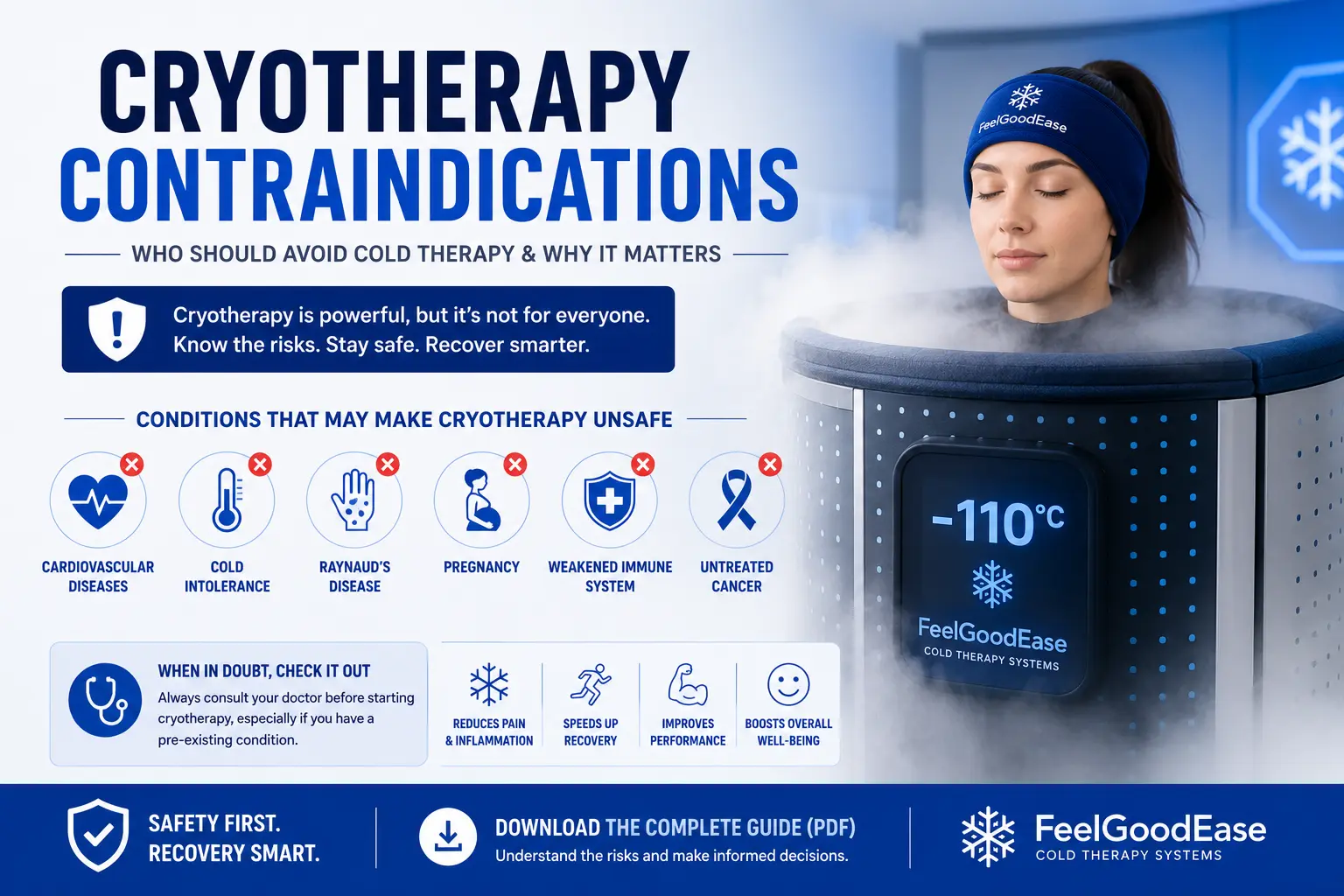

Who Should Avoid Cryotherapy? Risks, Contraindications & Safety Guide
Cryotherapy has rapidly moved from clinical use into mainstream wellness, promising benefits like faster recovery, pain relief and even skin improvement. In my experience working with patients, I’ve seen a growing number of people try it without fully understanding whether their body can safely tolerate extreme cold exposure.
That’s where the real risk begins.
One of the most common assumptions I see is this if a treatment is widely used it must be safe for everyone. From a clinical standpoint that’s simply not true. Cryotherapy places significant stress on the body particularly on circulation, nerve response and cardiovascular function. If any of these systems are already compromised the same therapy can quickly become harmful instead of helpful.
What makes this more concerning is the amount of mixed information available.
Some sources present cryotherapy as a universal solution while others highlight risks without explaining who is actually affected. In real recovery scenarios safety is never one-size-fits-all. It depends on your medical condition your tolerance to cold and how the therapy is applied. I’ve seen patients unknowingly worsen existing issues simply because contraindications were never clearly explained.
Understanding Cryotherapy: Benefits, Risks, and Why Awareness Is Key
What Is Cryotherapy? A Brief Overview
Cryotherapy is a treatment that uses extreme cold to trigger a physiological response in the body. It can be applied to the whole body in a cryotherapy chamber or targeted to specific areas using localized cold exposure. The goal is typically to reduce pain, inflammation and support recovery but safety depends heavily on individual health conditions.
In simple terms, cryotherapy involves exposing the body to very cold temperatures for a short period to trigger a response. What actually creates the benefit isn’t the cold itself it’s how your body reacts to that sudden drop in temperature.
There are two main types you’ll come across:
Whole-body cryotherapy (WBC) involves stepping into a chamber where temperatures can drop between -110°C to -140°C for about 2 to 4 minutes. I’ve seen many people try this for general recovery or wellness trends often without realizing how intense that level of exposure actually is on the body.
Localized cryotherapy on the other hand is much more targeted. It uses cold air or nitrogen vapor applied to a specific area like a knee, shoulder or back for a shorter duration. In real recovery scenarios this approach tends to be more controlled and better suited for injury-specific treatment.
Then there’s cryosurgery which is a medical procedure using extreme cold (typically liquid nitrogen) to destroy abnormal tissue such as warts or skin lesions. This is very different from wellness-based cryotherapy and should always be performed in a proper clinical setting.
Most people are drawn to cryotherapy for benefits like pain relief reduced inflammation, faster recovery or sports injuries. But one of the most common mistakes I’ve seen is assuming that all forms of cryotherapy carry the same level of risk.
They don’t and that difference matters more than most people realize.
Whole-body exposure places significantly more stress on your cardiovascular and nervous system compared to localized treatment. If your body isn’t prepared for that level of stress the outcome can shift from helpful to harmful very quickly.
Expert Tip: Understanding the type of cryotherapy you’re considering is one of the most important safety steps. Whole-body cryotherapy, localized cryotherapy and cryosurgery each affect the body differently. Always confirm what’s being offered and whether it’s appropriate for your condition before proceeding.
Why Medical Contraindications Matter
Medical contraindications matter because cryotherapy triggers strong physiological reactions such as blood vessel constriction increased heart rate and stress responses. If you have underlying health conditions these reactions can worsen your condition or lead to serious complications making proper screening essential before treatment.
This is where most people underestimate the risk.
When your body is exposed to extreme cold, it doesn’t just cool down it reacts immediately. Blood vessels constrict (vasoconstriction) heart rate can increase and your body shifts into a stress-response state to protect core temperature.
In controlled situations, this response can support recovery. But I’ve seen many cases where pre-existing conditions turn that same response into a problem.
For example:
- If circulation is already limited further constriction can reduce blood flow to unsafe levels
- If there are underlying heart issues, the sudden stress response can increase cardiovascular strain
- If nerve sensitivity is reduced, the body may not signal when cold exposure becomes excessive
These aren’t rare situations they show up more often than people expect.
One concern I hear frequently from patients is the fear of making an existing condition worse. From a clinical standpoint that concern is completely valid. Ignoring contraindications is one of the most common reasons recovery therapies fail or backfire.
It’s also important to clarify something here.
Identifying contraindications isn’t about avoiding cryotherapy altogether. It’s about using it correctly understanding how to use and clean a cold therapy machine only when the body is actually capable of handling the stress it creates.
That’s the difference between effective recovery and unnecessary risk.
The Absolute No-Go List: General Contraindications for Cryotherapy
Cryotherapy should be strictly avoided in individuals with a recent heart attack, uncontrolled high blood pressure, peripheral arterial disease or a history of blood clots. Extreme cold can trigger intense cardiovascular stress reduce already limited circulation and significantly increase the risk of life-threatening complications.
In my experience, this is the section most people overlook and it’s also where the risks are highest.
Cryotherapy doesn’t just cool the body. It triggers a rapid full-body physiological response. In a healthy individual, that stress may be manageable. But when underlying conditions are present the same response can quickly become dangerous.
Let’s look at the key conditions where I would strongly advise against cryotherapy.
Acute or Recent Myocardial Infarction (Heart Attack)
From a clinical perspective this is one of the clearest contraindications.
Extreme cold causes rapid vasoconstriction forcing the heart to work harder to maintain circulation. I’ve seen patients underestimate just how intense this response can be.
If the heart has recently been damaged it is already in a vulnerable state. Adding cold stress can:
- Cause a sudden spike in heart rate and blood pressure
- Reduce oxygen delivery to already compromised heart tissue
- Increase the risk of triggering another cardiac event
This is why cardiologists consistently advise against extreme cold exposure during recovery. At this stage, the priority is stability not additional stress.
Uncontrolled Hypertension (High Blood Pressure)
This is far more common than most people think and often not as controlled as assumed.
Cryotherapy naturally causes blood vessels to constrict which leads to a rise in blood pressure. In healthy individuals this response is usually temporary. But in someone with uncontrolled hypertension it can become unpredictable very quickly.
What I’ve observed in practice:
- Blood pressure can spike within seconds of exposure
- The body may struggle to regulate that sudden change
- The risk of stroke or cardiac events increases significantly
What concerns me most is that many individuals don’t realize their blood pressure is unstable until they experience a trigger like this.
Peripheral Arterial Occlusive Disease (PAD)
In PAD, blood flow to the limbs is already restricted.
From a recovery standpoint applying extreme cold here works against the body not with it. Instead of improving circulation it tightens blood vessels even further.
I’ve seen this lead to:
- Severe or prolonged numbness
- Slower tissue healing
- Increased risk of cold-related tissue damage
In more advanced cases this can contribute to tissue breakdown.
This isn’t a minor concern it directly affects tissue health and survival.
Deep Vein Thrombosis (DVT) or History of Blood Clots
This is another condition where caution is critical.
Cryotherapy changes circulation dynamics. In individuals with a history of clotting those changes can create risk.
From what I’ve seen clinically:
- Cold exposure may alter blood flow patterns
- It can increase the likelihood of clot formation in high-risk individuals
- There is also concern about dislodging an existing clot
If a clot travels to the lungs, it can cause a pulmonary embolism a medical emergency.
Additional High-Risk Conditions You Should Never Ignore
Cryotherapy should be avoided in individuals with cold-triggered disorders, severe Raynaud’s phenomenon, uncontrolled seizures, implanted cardiac devices, severe claustrophobia or those undergoing active cancer treatment. These conditions can react unpredictably to extreme cold, increasing the risk of serious neurological, circulatory or systemic complications.
In my experience, these conditions are often overlooked because they don’t immediately sound “serious.” But in practice they can carry just as much if not more risk than more obvious cardiovascular issues.
Cold Allergy (Cryoglobulinemia, Paroxysmal Cold Hemoglobinuria, Cold Urticaria)
This is one of the most misunderstood and dangerous contraindications.
Many people confuse mild cold sensitivity with true cold-related disorders. But these are completely different. These conditions trigger systemic reactions not just surface-level discomfort.
Exposure to extreme cold can lead to:
- Rapid onset of hives, swelling or severe skin reactions
- Breakdown of red blood cells in certain conditions
- Kidney stress or damage
- In severe cases systemic shock
What makes this particularly risky is how unpredictable the reaction can be. Even brief exposure may trigger a serious response.
If there’s any history of abnormal reactions to cold this isn’t something to test it should be avoided entirely.
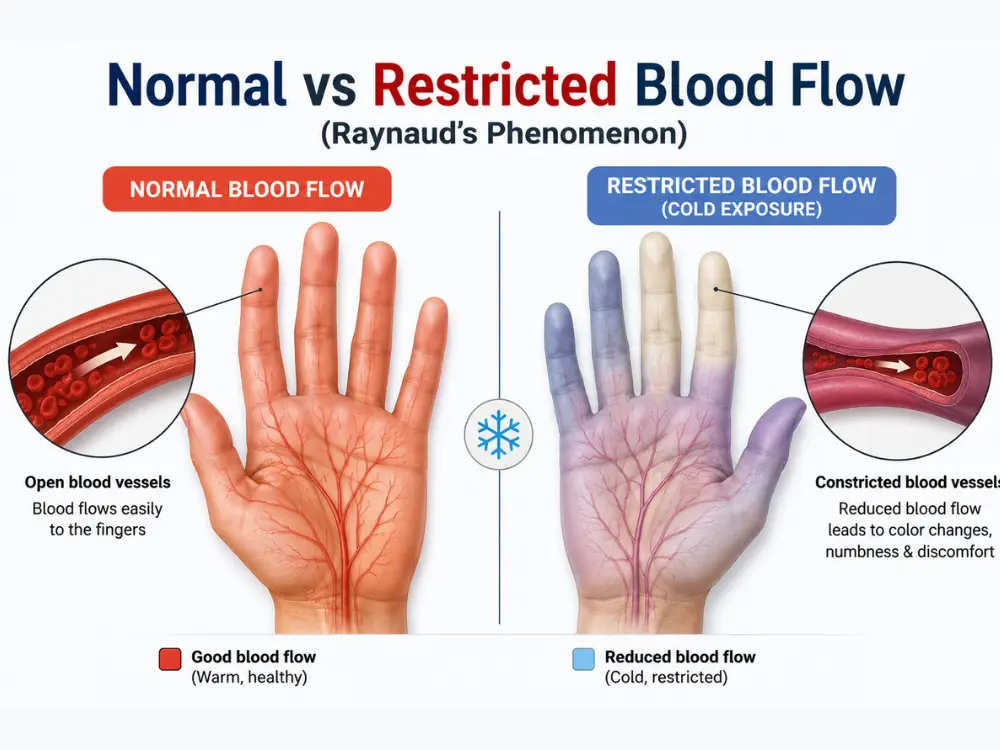
Severe Raynaud’s Phenomenon
Raynaud’s is something I see quite frequently especially in individuals with sensitive circulation.
In mild cases, it causes temporary color changes in the fingers. But in severe cases the response becomes prolonged and much more intense.
With cryotherapy, this reaction can escalate significantly.
Instead of short-term constriction, you may see:
- Aggressive tightening of blood vessels in fingers and toes
- Prolonged restriction of blood flow
- Reduced oxygen delivery to tissues
This can result in pain, numbness and in more serious situations, tissue damage.
From a recovery standpoint further reducing circulation in already compromised areas is a direct risk not a benefit.
Epilepsy or Uncontrolled Seizure Disorders
This is an area where risk can escalate very quickly.
Cryotherapy places the body under sudden physiological stress rapid temperature change, nervous system activation and hormonal shifts. For individuals prone to seizures these triggers are significant.
I’ve seen even mild stressors act as triggers. With cryotherapy that stress is amplified.
The concern isn’t just the seizure itself it’s the setting:
- Enclosed chamber
- Limited ability to move
- Sudden onset without warning
This creates a situation where immediate response may be difficult increasing overall risk.
Pacemaker or Implanted Defibrillator
This is often debated but in clinical practice uncertainty is treated with caution.
There isn’t definitive evidence that cryotherapy always interferes with these devices. However, the combination of extreme cold exposure and certain equipment environments raises valid concerns.
From a safety-first perspective I don’t recommend proceeding unless there is explicit clearance from a cardiologist.
Key considerations include:
- These devices regulate critical heart functions
- Even theoretical interference carries serious consequences
- The potential benefit rarely outweighs the risk
In real patient care this is not an area where risks are taken lightly.
Severe Claustrophobia
This may not seem like a medical condition at first but in practice, it can create serious safety issues.
Whole-body cryotherapy chambers are enclosed environments. For someone with severe claustrophobia that alone can trigger:
- Immediate panic responses
- Rapid breathing or hyperventilation
- Dizziness or loss of control
Now combine that with extreme cold exposure and the body is dealing with multiple stress triggers at once.
This isn’t just discomfort it can prevent the session from being completed safely.
Active Cancer or Ongoing Chemotherapy/Radiation
This is an area where caution is essential.
Patients undergoing cancer treatment are already dealing with complex physiological changes affecting immunity, circulation and tissue repair.
Introducing cryotherapy adds another variable.
While research is still evolving most medical professionals take a conservative approach during active treatment.
Potential concerns include:
- Changes in circulation affecting treatment areas
- Unpredictable immune responses
- Interference with ongoing recovery processes
Specific Medical Conditions: Assessing Your Risk Profile
Categorizing Risk Levels for Informed Decisions
Cryotherapy risks are typically classified into three categories absolute contraindications (never safe) relative contraindications (require medical clearance and supervision) and temporary contraindications (safe only after recovery). Understanding these categories helps determine whether cryotherapy is appropriate, risky or should be avoided.
In my experience most people don’t struggle with understanding cryotherapy they struggle with knowing whether it’s safe for them.
That’s where this classification becomes useful.
Not every condition carries the same level of risk. Some situations make cryotherapy completely unsafe while others require careful timing, monitoring or medical approval.
Here’s how I typically explain it:
Absolute Contraindication
These are non-negotiable. The risk is high and predictable. Cryotherapy should not be used unless specifically directed in a controlled medical environment.
Relative Contraindication
This is often misunderstood. It doesn’t mean “safe” it means caution is required. Cryotherapy may only be considered after proper medical evaluation and often needs modification.
Temporary Contraindication
These are timing-related. The body is already under stress and introducing extreme cold can interfere with recovery. Once the condition resolves treatment may become appropriate.
I’ve seen many complications happen simply because people treat all conditions the same or ignore them entirely.
Common Medical Conditions and Cryotherapy Risk Levels
Conditions like controlled hypertension, asthma, diabetes, recent surgery, infections or neurological disorders like sciatica require careful evaluation before cryotherapy. Some demand complete avoidance while others require monitoring, medical clearance or delaying treatment until recovery is complete.
Below is how I guide patients through these decisions in practice.
Mild or Controlled Hypertension
Risk Level: Relative Contraindication
Even when blood pressure appears controlled the body can still react strongly to cold exposure.
Cryotherapy causes vasoconstriction which may temporarily elevate blood pressure. I’ve seen patients assume medication removes this risk but that’s not always the case.
What to watch for:
- Sudden spikes in blood pressure
- Increased cardiovascular strain during exposure
Recommended approach:
Consult a cardiologist and monitor blood pressure before and after sessions. If there’s any instability, it’s safer to avoid.
Mild Asthma
Risk Level: Relative Contraindication
Cold, dry air can trigger airway sensitivity in some individuals.
Even controlled asthma may react unpredictably in extreme cold environments.
Potential concerns:
- Airway constriction
- Breathing discomfort during exposure
Recommended approach:
Consult a pulmonologist and keep a prescribed inhaler available. Preventive use may be advised.
Diabetes (Controlled Without Severe Neuropathy)
Risk Level: Relative Contraindication
This is often underestimated.
Reduced nerve sensitivity can prevent the body from detecting excessive cold exposure.
Key risks:
- Unnoticed cold injury or frostbite
- Circulation-related complications
Recommended approach:
Maintain stable blood sugar levels and monitor extremities closely. Medical guidance is essential before proceeding.
Hypothyroidism (Untreated or Poorly Controlled)
Risk Level: Relative Contraindication
Thyroid function plays a major role in temperature regulation.
If unmanaged, the body may struggle to adapt to extreme cold.
Possible effects:
- Increased cold sensitivity
- Slower metabolic response
- Risk of prolonged cold stress
Recommended approach:
Stabilize thyroid levels first before considering cryotherapy.
Severe Eczema or Psoriasis
Risk Level: Relative Contraindication
Active skin conditions change how the body reacts to cold.
Potential issues:
- Increased dryness and irritation
- Worsening flare-ups
- Skin barrier damage
Recommended approach:
Consult a dermatologist. In some cases localized treatment may be safer.
Recent Surgery (Healing Phase)
Risk Level: Temporary Contraindication
I often see patients rush into recovery tools too early.
Why timing matters:
- Healing tissues are sensitive
- Cold exposure may affect circulation needed for repair
Recommended approach:
Wait for full healing and surgical clearance before starting cryotherapy.
Acute Infection or Fever
Risk Level: Temporary Contraindication
When the body is already under stress additional stress can slow recovery.
Concerns include:
- Increased fatigue
- Reduced immune efficiency
Recommended approach:
Resume only after full recovery and being fever-free for at least 24-48 hours.
Alcohol or Drug Intoxication
Risk Level: Temporary Contraindication
This significantly increases risk during exposure.
Why it matters:
- Impaired judgment
- Reduced cold sensitivity
- Higher chance of overexposure
Recommended approach:
Avoid cryotherapy completely while under the influence.
Open Wounds or Skin Lesions
Risk Level: Temporary Contraindication
Skin integrity is essential for safe treatment.
Risks include:
- Infection
- Delayed healing
- Direct tissue damage
Recommended approach:
Wait until the skin is fully healed.
Recent Stroke or Transient Ischemic Attack (TIA)
Risk Level: Absolute Contraindication
From a neurological standpoint, this is a strict no-go.
Key concern:
- Increased risk of another vascular event due to circulation changes
Recommended approach:
Avoid entirely and consult a neurologist.
Severe Peripheral Neuropathy
Risk Level: Relative Contraindication
Loss of sensation makes safe exposure difficult.
Main risk:
- Inability to detect harmful cold levels
Recommended approach:
Careful medical evaluation is required often avoidance is safer.
Active Blood Clotting Disorders
Risk Level: Absolute Contraindication
This carries one of the highest risks.
Why it’s dangerous:
- Increased chance of clot formation or movement
- Risk of pulmonary embolism
Recommended approach:
Strictly avoid and seek specialist care.
Medications and Treatments: Unexpected Interactions with Cryotherapy
How Medications Can Change Your Risk
Certain medications can change how your body responds to extreme cold. Drugs that affect blood pressure, circulation, clotting or thermoregulation may increase the risk of adverse reactions during cryotherapy. A medical review is essential to prevent unsafe interactions or unexpected physiological responses.
In my experience, this is one of the most overlooked risk areas.
People tend to focus on their diagnosis but forget that medications actively shape how the body reacts under stress. Cryotherapy isn’t passive it triggers rapid changes in blood flow, nerve signaling and cardiovascular response. When medications are already influencing those systems the result can become unpredictable.
This doesn’t mean cryotherapy is always unsafe it means the decision needs to be individualized.
Blood Thinners (Anticoagulants / Antiplatelets)
Medications such as Warfarin, Heparin, Aspirin or Clopidogrel reduce the blood’s ability to clot. That’s essential for many conditions but it also changes how the body responds to vascular stress.
Key concern:
- Cold exposure alters circulation dynamics
- Minor vessel stress may lead to increased bruising
- In some cases, bleeding response may be amplified
I’ve seen patients surprised by how easily bruising occurs when combining cold exposure with anticoagulants.
Recommended approach:
Always consult your prescribing doctor. Even if cryotherapy isn’t strictly prohibited it should be approached with caution.
Beta-Blockers and Blood Pressure Medications
Medications like Metoprolol or Lisinopril regulate heart rate and blood vessel behavior.
Cryotherapy, however introduces a competing effect.
What to watch for:
- Rapid vasoconstriction from cold exposure
- Temporary spikes in blood pressure
- Unpredictable heart rate response
In practice, this can create a mismatch between what the medication is trying to stabilize and how the body is reacting.
Recommended approach:
Discuss with your cardiologist and monitor closely if cryotherapy is being considered.
Antidepressants and Psychotropic Medications
This category is often overlooked in physical risk discussions.
Some medications that affect serotonin or norepinephrine can influence temperature regulation and circulation.
Potential effects:
- Reduced tolerance to extreme cold
- Altered vascular response
- Increased sensitivity to physiological stress
Reactions here tend to be less predictable which makes caution especially important.
Recommended approach:
Consult your doctor before proceeding. Individual response can vary widely.
Cold, Allergy and Decongestant Medications
This is one of the most underestimated risks mainly because these medications are over-the-counter.
Many contain vasoconstrictors like pseudoephedrine.
When combined with cryotherapy:
Key concern:
- Dual vasoconstriction effect
- Elevated blood pressure
- Increased cardiovascular strain
I’ve seen people unknowingly combine these effects assuming OTC medications are harmless in this context.
Recommended approach:
Avoid cryotherapy while using decongestants unless cleared by a doctor.
Immunosuppressants
Patients on immunosuppressants already have reduced immune resilience.
Cryotherapy itself isn’t infectious but the surrounding environment still matters.
What to consider:
- Increased vulnerability to external stress
- Higher sensitivity to minor risks
- Potential exposure concerns in shared equipment settings
Even small risks become more significant in immunocompromised individuals.
Recommended approach:
Consult your healthcare provider and ensure strict hygiene standards.
Recent Cosmetic Injections or Surgical Procedures
Timing is critical here.
Procedures like Botox, dermal fillers or minor surgeries leave tissues in a sensitive healing phase.
Potential risks:
- Interference with healing
- Increased inflammation or discomfort
- Possible impact on cosmetic outcomes
I’ve seen patients unintentionally disrupt recovery by introducing cold therapy too early.
Recommended approach:
Wait until the area is fully stabilized and cleared by your provider.
Expert Tip: Always Review Medication Interactions
In real recovery scenarios the safest approach is proactive not reactive.
If you’re taking medications that affect:
- Blood pressure
- Circulation
- Clotting
- Nervous system response
…then cryotherapy should be treated as a medical decision not a casual wellness add-on.
Speak with both your doctor and pharmacist. Medication interactions are often subtle but when they occur they can escalate quickly.
Special Populations: When Cryotherapy Is Not Recommended
Who Needs Extra Caution or Complete Avoidance?
Cryotherapy is generally not recommended for pregnant or breastfeeding women, children and adolescents and frail elderly individuals. These groups have unique physiological sensitivities, limited safety research and a higher risk of adverse reactions making extreme cold exposure potentially unsafe without proper medical evaluation.
In my experience, this is where most confusion happens.
People often assume that if a treatment is “non-invasive,” it should be safe for everyone. Clinically, that’s not the case. These groups require a different level of caution not because cryotherapy is inherently harmful but because their bodies respond differently and have a smaller margin for safety.
Pregnancy and Breastfeeding
This is one situation where the guidance is very clear.
Cryotherapy is considered an absolute contraindication during pregnancy not because harm is proven in every case but because safety has not been established.
That distinction matters.
Key concerns include:
- Vasoconstriction potentially affecting placental blood flow
- Stress responses that may influence uterine activity
- Lack of reliable data on fetal safety
During breastfeeding the uncertainty continues:
- Possible effects on milk production or hormonal balance
- Limited research on how cold exposure affects lactation
In medicine especially during pregnancy the approach is simple if safety isn’t clearly established it’s avoided.
From what I’ve seen in practice this is not the phase to introduce new or extreme recovery methods. Stability always comes first.
Children and Adolescents
This is another group where caution is essential.
The reality is that we don’t yet have enough clinical research on how developing bodies respond to extreme cold exposure in controlled cryotherapy settings.
And that gap matters.
Why caution is needed:
- Thermoregulation systems are still developing
- Nervous system responses may differ from adults
- Long-term safety data is limited
I’ve seen parents consider cryotherapy for young athletes assuming it works like an ice pack. But whole-body exposure is very different from localized controlled cooling.
From a safety standpoint the lack of standardized protocols for minors is a significant concern.
Expert Tip: For children and adolescents long-term health should always take priority over short-term recovery trends. Any decision should involve a pediatric specialist.
Frail Elderly Individuals
This is one of the most sensitive groups in real-world practice.
As the body ages, several protective mechanisms weaken especially those related to temperature regulation, circulation and skin resilience.
I’ve seen older individuals respond much more intensely to cold exposure.
Key risks include:
- Reduced ability to regulate body temperature (higher hypothermia risk)
- Thinner, more fragile skin prone to injury
- Greater likelihood of underlying cardiovascular or neurological conditions
- Increased risk of dizziness, instability or falls after exposure
Even short sessions can feel significantly more intense particularly when multiple health factors are involved.
Temporary Conditions: When to Postpone Your Cryotherapy Session
When Should You Wait Before Cryotherapy?
Cryotherapy should be postponed if your body is already under stress such as during infection, recent injury, open wounds, anemia, intoxication or after intense heat or exercise. These conditions increase the risk of poor healing, circulation issues and adverse reactions. Waiting until your body stabilizes leads to safer and more effective outcomes.
In my experience, this is where many people go wrong not by choosing the wrong therapy but by choosing the wrong timing.
Cryotherapy works by applying controlled stress. That only helps when your body is stable enough to handle it. If you’re already dealing with inflammation, illness or fatigue adding extreme cold can slow recovery instead of supporting it.
Here are the situations where I typically advise patients to pause.
Acute Infections or Fever
When your body is fighting an infection it’s already under significant strain.
What’s happening:
- The immune system is fully engaged
- Temperature regulation is already unstable
- Additional stress can increase fatigue
I’ve seen people try to “speed up recovery” with cold exposure but in practice it often delays healing.
Recommended approach:
Wait until you’re fully recovered and fever-free for at least 24-48 hours.
Recent Frostbite or Cold-Induced Injury
This is one situation where re-exposure can be especially harmful.
Why it matters:
- Tissues are already damaged and highly sensitive
- Circulation and nerve response may be compromised
- Risk of permanent tissue injury increases
From a clinical standpoint adding more cold here works against recovery.
Recommended approach:
Allow complete healing and get medical clearance before reintroducing any cold exposure.
Open Wounds, Skin Lesions or Rashes
Skin condition plays a major role in how safely cryotherapy can be applied.
Key concerns:
- Higher risk of infection
- Increased irritation or inflammation
- Slower healing response
Even minor skin damage can become problematic under extreme cold.
Recommended approach:
Wait until the skin is fully healed and stable.
Severe Anemia
This is often overlooked but clinically important.
What to consider:
- Reduced oxygen delivery to tissues
- Cryotherapy further restricts blood flow
- Increased risk of fatigue and tissue stress
When oxygen supply is already limited adding circulatory restriction can do more harm than good.
Recommended approach:
Stabilize anemia first under medical guidance before considering cryotherapy.
Alcohol or Drug Intoxication
This creates a clear safety risk.
Why it’s dangerous:
- Impaired judgment and awareness
- Reduced ability to feel excessive cold
- Delayed reaction to discomfort
I’ve seen cases where individuals didn’t recognize overexposure until symptoms appeared later.
Recommended approach:
Avoid cryotherapy completely while under the influence.
Recent Strenuous Exercise or Sauna Use
This is often underestimated but it matters.
What’s happening:
- The body is already stressed or overheated
- Sudden temperature shifts strain the cardiovascular system
- Risk of dizziness or instability increases
From a recovery standpoint timing is critical.
Recommended approach:
Allow your body to return to baseline before introducing extreme cold.
Beyond Contraindications: Differentiating Side Effects from Serious Risks
Understanding What’s Normal vs. What’s Not
Mild side effects like temporary numbness, redness or tingling are common after cryotherapy and usually resolve quickly. However, persistent pain, severe skin changes, breathing difficulty or neurological symptoms may indicate a serious reaction. Recognizing the difference early is critical for preventing complications.
In my experience, this is where many people get confused and sometimes take unnecessary risks.
Not every reaction to cryotherapy is dangerous. The body is expected to respond to cold. The key is knowing when that response is normal and when it’s a warning sign.
Understanding Minor Side Effects
These are the reactions I typically expect with controlled cold exposure. In most cases, they are mild and temporary.
Common short-term effects include:
- Mild numbness or tingling
- Skin redness or slight irritation
- Goosebumps or a cold sensation
- Light itching
- Brief lightheadedness
These responses are linked to rapid changes in blood flow and nerve activity. Once the session ends and circulation normalizes they usually fade within minutes.
I’ve seen many patients worry about these sensations especially during their first session. But if they resolve quickly and don’t worsen they’re generally not a concern.
Recognizing the Signs of Serious Risk or Adverse Reaction
This is where awareness becomes critical.
In real scenarios, the body often gives early warning signs before something serious develops. The problem is that people tend to ignore them or assume they’re part of the process.
They’re not.
Here are the symptoms that should never be overlooked:
Persistent Numbness or Pain
- Numbness lasting hours instead of minutes
- Sharp, burning, or worsening pain
This may indicate nerve irritation or early tissue damage.
Severe Skin Discoloration
- Blistering or peeling
- Deep purple, blue, or black patches
These are not normal responses and may signal frostbite or tissue injury.
Cardiac Symptoms
- Chest pain or pressure
- Shortness of breath
- Irregular or rapid heartbeat
- Sudden severe dizziness
These can indicate cardiovascular stress and require immediate attention.
Neurological Symptoms
- Persistent or severe headache
- Confusion or disorientation
- Blurred vision
- Difficulty speaking
- Seizure-like activity
These signs suggest the nervous system is not tolerating the exposure.
Allergic Reactions
- Hives or widespread rash
- Swelling (especially face or throat)
- Difficulty breathing
These reactions can escalate quickly and should never be ignored.
Expert Tip: Pay Attention to Your Body’s Signals
One of the most important things I’ve learned working with recovery therapies is this:
Your body will usually tell you when something isn’t right if you pay attention.
If you notice:
- Unusual discomfort
- Pain that feels different or intense
- Symptoms that worsen instead of settling
Stop the session immediately.
Don’t try to push through it.
In my experience most complications happen when early warning signs are ignored.
When to Seek Emergency Medical Attention
Seek immediate medical attention if you experience chest pain severe breathing difficulty, loss of consciousness, stroke-like symptoms or a severe allergic reaction. These signs may indicate a serious complication and require urgent care.
Some situations require immediate action.
Seek emergency care if you experience:
- Chest pain or tightness
- Severe shortness of breath
- Loss of consciousness
- Sudden confusion or difficulty speaking
- Weakness on one side of the body
- Severe allergic reaction (swelling or breathing difficulty)
From a clinical standpoint these are not side effects they are medical emergencies.
Your Personal Cryotherapy Safety Scorecard: A Self-Assessment Guide
A Cryotherapy Safety Scorecard is a simple self-assessment tool designed to help you identify potential risks before trying cryotherapy. By reviewing your medical conditions, medications and current health status you can quickly determine whether it’s safe, risky or necessary to seek medical advice.
In my experience, most people don’t lack information they lack clarity about how that information applies to them.
I’ve seen patients understand the general risks yet still feel unsure:
“Does this apply to my situation?”
That’s exactly why a structured approach like this helps.
Think of this as a pre-cryotherapy safety check not a diagnosis but a practical way to catch obvious risks before they turn into problems.
How to Use Your Safety Scorecard
Review each item in the checklist and answer “Yes” or “No” honestly. A single “Yes” in high-risk categories may indicate cryotherapy is unsafe. Multiple “Yes” responses suggest the need for medical consultation before proceeding.
Here’s how I recommend approaching it:
- Read each question carefully
- Answer based on your current condition not assumptions
- Don’t ignore temporary issues like fever or recent procedures
- Pay close attention to anything involving heart health, circulation or nerve function
In real recovery scenarios even one overlooked factor can shift your risk level significantly.
Practical Tip: If you’re turning this into a digital tool an interactive quiz works very well. A printable version can also help patients review it before appointments.
The Cryotherapy Safety Scorecard Checklist
Use this as a quick personal screening tool:
Medical Conditions
- Recent heart attack or stroke? (Yes/No)
- Uncontrolled high blood pressure? (Yes/No)
- History of blood clots or DVT? (Yes/No)
- Severe Raynaud’s or cold allergy? (Yes/No)
- Uncontrolled seizure disorder? (Yes/No)
- Pacemaker or implanted defibrillator? (Yes/No)
- Open wounds or severe skin infections? (Yes/No)
- Active cancer or undergoing treatment? (Yes/No)
- Severe kidney or liver disease? (Yes/No)
Medications & Treatments
- Taking blood thinners? (Yes/No)
- Taking antidepressants or psychotropic medications? (Yes/No)
- Taking cold/allergy medications with vasoconstrictors? (Yes/No)
- Recent cosmetic injections or surgical procedures? (Yes/No)
Special Populations & Temporary Conditions
- Pregnant or breastfeeding? (Yes/No)
- Under 18 (child or adolescent)? (Yes/No)
- Frail elderly? (Yes/No)
- Currently have infection or fever? (Yes/No)
- Under the influence of alcohol or drugs? (Yes/No)
Interpreting Your Score and Next Steps
If you answer “Yes” to any high-risk condition, cryotherapy should be avoided until medically cleared. Multiple “Yes” responses indicate increased risk and require professional consultation. If all answers are “No,” cryotherapy may be considered safer but medical advice is still recommended if uncertainty exists.
Here’s how to interpret your results:
If ANY “Yes” in High-Risk Conditions
Stop here.
Cryotherapy is not recommended without medical clearance.
This isn’t something to “try and see.” A proper evaluation is necessary before proceeding.
If Multiple “Yes” in Relative or Temporary Conditions
Proceed with caution.
This usually means:
- You’ll need medical approval
- The approach may need adjustment (e.g., localized instead of whole-body)
- Monitoring becomes important
If Mostly “No,” But You Still Feel Unsure
Risk is likely lower but don’t ignore that uncertainty.
In practice, I usually suggest:
- Talking it through with a healthcare provider
- Starting with a conservative approach
- Paying attention to how your body responds early on
Real Stories: Learning from Those Who Wisely Skipped Cryotherapy
Hear Their Stories: Why I Skipped Cryotherapy
Real-world examples show that identifying contraindications early can prevent serious health risks. Individuals who paused, assessed their symptoms and consulted a doctor often avoided complications. These stories highlight how informed decisions rather than impulse lead to safer recovery choices.
In my experience, the most valuable lessons don’t come from theory they come from real decisions people make when they’re unsure.
I’ve worked with individuals who were ready to try cryotherapy but chose to pause and ask the right questions first. What stands out is this they didn’t miss out they avoided problems they didn’t even realize were there.
These examples reflect real patterns I’ve seen in practice. Details are simplified, but the situations are very real.
Case Study 1: The Undiagnosed Heart Condition
One patient came in after noticing occasional chest discomfort. Nothing severe just something he had been brushing off.
He was considering whole-body cryotherapy to recover from intense workouts.
Before going ahead, he used a simple safety checklist and flagged a cardiovascular concern. That prompted him to get checked.
That step made all the difference.
Further evaluation revealed an underlying heart issue that hadn’t been diagnosed. From a clinical standpoint exposing his body to extreme cold at that stage could have triggered a serious cardiac event.
I’ve seen this pattern more than once symptoms that seem minor often aren’t.
What mattered here wasn’t fear. It was awareness.
He didn’t avoid cryotherapy because he was unsure he avoided it because he recognized a warning sign and acted on it.
Case Study 2: Medication Mix-Up Averted
Another individual had recently started medication for blood pressure control.
He felt fine and assumed everything was stable. Cryotherapy came up as a possible recovery option.
But instead of jumping in, he paused and asked:
“Could this medication change how my body reacts to cold?”
That’s a question many people don’t ask.
After speaking with his doctor he learned that the medication already affected vascular response. Adding extreme cold could create unpredictable blood pressure changes.
This placed him in a relative contraindication category.
Instead of abandoning recovery he adjusted his approach.
He chose more controlled methods rather than full-body exposure.
From what I’ve seen this is what smart recovery looks like not avoiding tools entirely, but using them appropriately.
Case Study 3: The Claustrophobia Catalyst
This scenario is more common than people expect.
A patient with mild claustrophobia was curious about whole-body cryotherapy. She hadn’t experienced severe panic before so she assumed it wouldn’t be an issue.
But after learning more about the enclosed chamber environment and how cold stress can amplify anxiety she reconsidered.
Instead of ignoring that risk she made a different choice.
She avoided the chamber and opted for localized cold therapy instead.
That decision likely prevented a situation that could have escalated quickly panic, hyperventilation and an inability to safely complete the session.
Not every risk is tied to a medical diagnosis. Sometimes it comes down to understanding how your body reacts under pressure.
Expert Guidance: When and How to Consult a Healthcare Professional
When to Seek Medical Advice Before Cryotherapy (Non-Negotiable Scenarios)
You should consult a healthcare professional before cryotherapy if you have any medical condition take prescription medications belong to a higher-risk group or have any uncertainty about safety. Medical clearance helps prevent avoidable complications.
In my experience, this is where the biggest safety gap exists.
People often rely on online information or assumptions when making decisions about therapies that affect the cardiovascular and nervous systems. Cryotherapy is not something to “try and see,” especially when risk factors are involved.
Here are situations where I consider medical consultation essential:
- Any pre-existing medical condition even if it seems mild or controlled
- Use of prescription medications, particularly those affecting heart health, circulation or neurological function
- Belonging to a higher-risk group (pregnancy, adolescence or elderly)
- Any level of uncertainty even after doing your research
From a clinical standpoint uncertainty itself is a valid reason to pause.
Practical advice:
Always consult your doctor before starting cryotherapy. This guide is meant to inform your decisions not replace medical judgment.
Clinical note:
Avoid self-diagnosing based on online information. Use what you’ve learned here to ask better questions not to make final decisions independently.
Preparing for Your Doctor’s Consultation
Before your consultation, prepare a complete medical history, list all medications and supplements and note any symptoms or concerns. This helps your doctor assess whether cryotherapy is safe and appropriate for you.
In real consultations, the quality of your input directly affects the quality of advice you receive.
I’ve seen patients initially say everything is fine only to mention something later that completely changes the risk assessment.
Here’s how to prepare effectively:
- Medical history: Include past surgeries, chronic conditions and recurring symptoms
- Medications: List prescriptions, over-the-counter drugs, supplements and herbal products
- Questions: Write down specific concerns, such as:
- “Does my condition affect how I respond to cold exposure?”
- “Is whole-body cryotherapy appropriate for me or should I consider localized options?”
What I recommend:
Be fully transparent with both your doctor and any cryotherapy provider. Even small details can influence safety.
Verifying Provider Credentials and Safety Protocols
Choose a cryotherapy provider who is trained, follows safety protocols and performs proper screening. Always ask about emergency procedures, contraindications and staff qualifications before treatment.
In practice, safety depends not just on your health but also on where and how the therapy is delivered.
Not all providers operate at the same standard.
Here’s what to look for:
- Credentials and training: Staff should be properly trained to operate equipment and recognize adverse reactions
- Screening process: A reputable provider will ask detailed health questions before allowing a session
- Emergency readiness: Ask how they handle dizziness, panic or medical issues during a session
- Clear communication: You should get direct, honest answers not vague reassurance
Important:
If a provider avoids answering safety questions or dismisses your concerns, treat that as a red flag. In my experience, responsible providers prioritize screening not selling sessions.
Final Recommendations: Prioritizing Your Health and Safety
Cryotherapy may offer benefits in the right context but it is not safe for everyone. Ignoring contraindications or personal risk factors can lead to serious complications. The safest approach is to prioritize long-term health assess your individual risk carefully and seek professional medical guidance before proceeding.
One of the most common mistakes I see is treating cryotherapy as a general wellness trend rather than a physiological intervention.
It can support recovery but only when the body is prepared to handle it.
Many people focus on short-term gains like faster recovery or pain relief while overlooking underlying risks. That’s where things start to go wrong.
From a clinical standpoint, the goal isn’t to try every available method it’s to use the right one, at the right time for the right individual.
Practical Reminder: Long-term health should always come before short-term results. No recovery method is worth compromising your safety.
Supporting Safe Cold Therapy at Home
If your healthcare provider determines that cold therapy is appropriate for your condition, choosing equipment that delivers controlled, consistent cooling can help make treatment safer and easier to manage at home. Features such as stable temperature delivery, comfortable body-specific wraps and straightforward operation can support regular use while reducing the need to constantly reposition traditional ice packs.
The FeelGoodEase Cold Therapy Machine is designed for home recovery and rehabilitation, offering controlled cooling for post-operative care, joint recovery and injury management. Whatever cold therapy system you choose always follow the manufacturer’s instructions and your healthcare provider’s recommendations to ensure safe and appropriate use.
Continuous Vigilance and Education
Cryotherapy safety guidance continues to evolve. Staying informed about updated research and medical recommendations helps you make safer decisions and avoid outdated or misleading information.
Health decisions should never be static.
New research, evolving clinical understanding, and updated safety guidelines all influence how therapies like cryotherapy are used. What seems appropriate today may not apply tomorrow or may not apply to your specific condition at all.
Patients who stay informed and engaged with their health tend to make safer more effective decisions over time.
What I recommend:
- Stay updated with reliable medical sources
- Reassess your health status periodically
- Avoid relying on outdated advice or assumptions
Transparency note:
Always check the “Last Updated” or “Medically Reviewed” date on health content. It helps ensure the information reflects current medical understanding.
Medical Disclaimer
This article is provided for educational and informational purposes only.
It does not replace professional medical advice, diagnosis or treatment. While this guide is designed to improve awareness it should not be used as the sole basis for making health decisions.
Always consult a qualified healthcare professional before starting cryotherapy or any new treatment especially if you have underlying conditions, take medications or have any uncertainty about safety.
