
🚚 Free Shipping (3-5 Business Days) | 🛡️ 30-Day Money-Back Guarantee | 🏆 6-Month Warranty | ⭐ Trusted by 1000+ Happy Customers
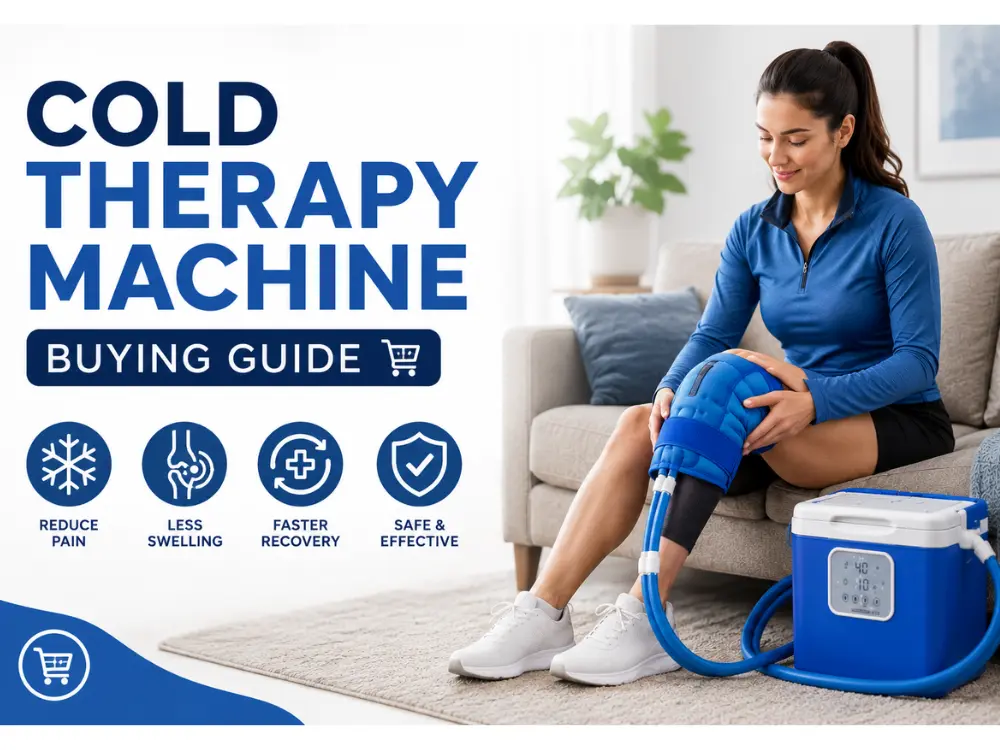

Cold Therapy Machine Buying Guide: From Post-Surgery Recovery to Faster Pain Relief
One of the biggest mistakes people make during recovery is relying on ice packs and expecting consistent results.
I’ve seen patients carefully follow instructions icing multiple times a day yet still struggle with swelling that doesn’t go down and pain that keeps returning. The problem isn’t the effort. It’s the method.
Traditional ice packs simply don’t maintain a stable temperature long enough to properly control inflammation. They warm up too quickly, require constant replacement and often fail to reach deeper tissue where swelling actually builds.
This becomes even more critical after procedures like knee replacement or shoulder surgery where controlled and repeated cold application isn’t optional it directly affects how well and how quickly you recover.
From a clinical perspective the issue isn’t whether cold therapy works or how it compares to heat therapy it’s whether it’s applied consistently and correctly.
Modern cold therapy machines address this gap by delivering continuous regulated cooling often combined with compression. This creates a more controlled recovery environment helping reduce swelling manage pain more effectively and support earlier mobility.
I’ve seen a clear difference in recovery outcomes when patients switch from improvised solutions to a structured cold therapy system. The consistency alone often leads to better pain control and fewer setbacks during the early stages of healing.
Understanding Cold Therapy and Its Transformative Benefits
What is Cryotherapy and How Does It Work?
Cold therapy (cryotherapy) is the controlled use of cold to reduce pain, swelling and inflammation by slowing blood flow cellular activity and nerve signals in the affected area.
In practice, I’ve noticed that many people use cold therapy regularly but don’t fully understand how it works or why consistency matters. That gap often leads to uneven results especially during recovery.
From a clinical standpoint cold therapy influences the body in a few key ways:
Vasoconstriction (Reduced Blood Flow)
When cold is applied, blood vessels tighten. This helps limit fluid buildup in the area which is one of the main causes of post-surgical swelling.
Metabolic Slowdown (Tissue Protection)
Cold reduces cellular activity. After an injury, this helps prevent unnecessary tissue stress and limits secondary damage caused by prolonged inflammation.
Reduced Nerve Activity (Pain Control)
Cold also slows how quickly pain signals travel through the nerves. That’s why properly applied cold therapy creates a steady numbing effect without relying entirely on medication.
Key Benefits of Cold Therapy
When applied correctly, cold therapy supports recovery in several important ways:
Pain Reduction
It helps manage post-surgical discomfort, injury-related pain and ongoing joint issues by naturally reducing pain signal intensity.
Swelling (Edema) Control
In real recovery cases, swelling is often what delays progress the most. Controlled cold application helps keep that under control especially after procedures like knee replacement.
Muscle Relaxation
Cold can reduce involuntary muscle tightness which is common after injury or surgery.
Improved Healing Conditions
The goal isn’t to eliminate inflammation completely but to regulate it. When inflammation is controlled the body repairs tissue more efficiently.
Reduced Dependence on Medication
With consistent use many patients rely less on pain medication which is a safer and more sustainable approach over time.
Why Cold Therapy Machines Surpass Traditional Ice Packs
Cold therapy machines provide continuous controlled cooling making them more effective than standard ice packs for managing pain and swelling consistently.
I’ve seen many patients rely on ice packs especially early in recovery. The intention is right but the results are often inconsistent.
Here’s where the difference becomes noticeable:
Consistency & Duration
Ice packs warm up quickly usually within 15-20 minutes. A cold therapy machine maintains a stable temperature for much longer which is critical for proper inflammation control.
Targeted Application
Most cold therapy systems use body-specific wraps for areas like the knee or shoulder and a replacement knee wrap can ensure a perfect fit. This ensures better contact and more effective cooling compared to loosely placed ice packs.
Hands-Free Use
Patients don’t need to constantly adjust or hold the device. This makes it much easier to stay consistent especially when mobility is limited.
Adjustable Control
Advanced cold compression therapy machines allow control over both temperature and compression. This combination improves swelling management more effectively than cold alone.
Clinical Perspective: Why Controlled Cold Therapy Matters
Controlled cold therapy systems are more effective than intermittent ice use because they deliver consistent temperature and improve treatment adherence.
From a recovery standpoint, consistency is what drives results.
Orthopedic specialists often recommend cold therapy machines after procedures like knee surgery because they:
- Maintain stable cooling
- Reduce the risk of overexposure
- Make it easier for patients to follow a routine
In my experience that last point matters more than most people realize. The easier a system is to use the more likely patients are to use it properly and that directly affects recovery outcomes.
Types of Cold Therapy Machines Explained
Navigating Your Options: Gravity-Fed vs. Motorized, With or Without Compression
Cold therapy machines generally fall into three categories gravity-fed, motorized and cold compression systems each designed to deliver different levels of cooling consistency, control and swelling management.
One thing I’ve noticed over time is that many people assume all cold therapy machines work in a similar way. In practice, that’s rarely true.
The type of system you choose has a direct impact on how effectively you can manage pain and swelling especially during post-surgical recovery where consistency matters far more than most people expect.
At a basic level, the real difference comes down to how the cold is delivered and how stable that delivery remains over time.
A Real-World Look: How Each Type Feels to Use
Understanding how these machines behave in day-to-day use often makes the decision much easier.
Gravity-Fed Systems (Passive Cooling)
These are the simplest form of cold therapy units. You fill a container with ice and water then elevate it so gravity can circulate cold water through the pad.
They can work but they’re not always reliable.
In real use, I’ve seen patients struggle to maintain consistent flow. If the height isn’t right the cooling becomes uneven. Over time, the need to keep adjusting the setup becomes more frustrating than expected especially when mobility is already limited after surgery.
Motorized Cold Therapy Machines (Non-Compression)
These systems use an electric pump to circulate cold water continuously removing the need for elevation.
This is where things start to feel more controlled.
Once set up, the system runs steadily in the background. Patients don’t have to keep repositioning anything and the cooling remains consistent throughout the session. That reliability alone makes a noticeable difference in how often people actually stick to their therapy routine.
Motorized Cold Compression Therapy Machines
These systems combine continuous cold flow with built-in compression.
From a recovery standpoint this is where the biggest shift happens especially in cases involving significant swelling.
I’ve seen patients after ACL or knee replacement surgery respond much better when compression is added. It doesn’t just cool the area it actively helps move fluid away from the joint which improves both comfort and mobility.
Comparative Overview of Cold Therapy Machine Types
Before choosing a system, it helps to see how they compare side by side:
| Machine Type | Mechanism | Key Features | Best For | Pros | Cons |
| Gravity-Fed (Passive) | Uses gravity to circulate cold water from a raised container to the pad | Simple setup, no pump required | Minor injuries, short-term use | Affordable, quiet, no electricity needed | Inconsistent cooling, requires elevation, no compression |
| Motorized (Non-Compression) | Electric pump circulates water continuously | Stable cooling, hands-free use | Post-surgery, chronic pain | Reliable, easy to use, consistent results | Requires power, may produce noise |
| Cold Compression (Motorized) | Combines cold circulation with compression | Adjustable pressure + temperature | Surgery recovery, heavy swelling | Best swelling control, faster recovery support | Expensive, bulkier, more complex |
| Portable Units | Compact motorized or battery systems | Lightweight, mobile design | Travel, athletes | Easy to carry, flexible use | Smaller capacity, less cooling duration |
How I Guide Patients to Choose the Right Type
One mistake I see quite often is choosing a machine based purely on cost without considering the level of recovery needed.
A simpler way to approach it:
- For minor soreness or occasional use a gravity-fed system can be enough
- For consistent recovery especially after knee surgery a motorized cold therapy machine is far more dependable
- For significant swelling or post-operative care a cold compression therapy machine offers the most complete support
From a clinical perspective the pattern is clear the more consistent and controlled the therapy the better the recovery response tends to be.
Key Features to Consider Before Buying
Making an Informed Decision: What Matters Most
The effectiveness of a cold therapy machine depends less on the brand and more on key features like temperature control, compression and usability these directly influence safety, consistency and recovery results.
One concern I hear quite often is:
“What if I spend money on this and it doesn’t actually help?”
That hesitation is completely understandable.
I’ve seen patients choose a cold therapy machine based on price or popularity only to realize later that it’s difficult to use inconsistent or simply not suited to their recovery especially after knee or shoulder surgery.
From a practical standpoint the goal is straightforward: the system should make recovery easier not more complicated.
Critical Specifications for Optimal Performance
Temperature Control
A reliable cold therapy machine should maintain a steady therapeutic range between 40-60°F (5-15°C) to ensure safe and effective treatment.
One mistake I see quite often is overdoing the cold. There’s a common assumption that colder means better but that’s not how tissue responds.
Excessively low temperatures can irritate the skin and actually make sessions harder to tolerate consistently.
That’s why control matters.
- Digital systems allow more precise adjustments and are easier to monitor
- Analog systems are simpler but less accurate
In practice, steady and moderate cooling used consistently tends to produce far better results than aggressive short bursts of icing.
Compression Options (for Motorized Units)
Cold compression therapy improves swelling reduction by combining cooling with controlled pressure making it particularly useful after surgery.
Swelling after procedures like knee replacement isn’t just visible it builds internally around the joint.
That’s where compression adds real value.
- Intermittent compression helps move fluid by mimicking natural muscle activity
- Continuous compression provides steady support for ongoing swelling
If you’re considering a cold compression therapy machine adjustable pressure settings are important. Not every patient responds the same way and comfort plays a big role in consistency.
In early recovery, it’s always worth aligning compression use with guidance from a physiotherapist or surgeon.
Reservoir Capacity & Ice Retention
Larger reservoirs (typically 6-15 quarts) allow longer sessions with fewer interruptions making therapy easier to maintain consistently.
This is something many people don’t think about until they start using the device daily.
Smaller units often mean:
- Frequent refills
- Interrupted sessions
- Reduced consistency
And in recovery those small interruptions add up.
I’ve noticed that patients are far more likely to stick with therapy when the system runs longer without needing attention.
If you’re using an ice machine after knee surgery a well-insulated, higher-capacity unit makes the process much smoother.
Portability & Size
The right cold therapy unit should fit naturally into your recovery environment not the other way around.
Recovery isn’t static. Most people move between bed, sofa and different rooms throughout the day.
That’s why design matters more than it seems.
Look for:
- A manageable size and weight
- Easy handling (handles or wheels)
- Simple storage when not in use
Portable cold therapy machines can be helpful but they usually come with smaller reservoirs so it’s always a trade-off between convenience and duration.
Noise Level
A quieter cold therapy machine supports longer more consistent use especially during rest or nighttime recovery.
This is one of those details people overlook initially but notice quickly in real use.
Motorized systems rely on pumps and noise levels can vary.
If the machine is too loud:
- Sessions may be shortened
- Overnight use becomes difficult
- Consistency drops
A quieter system on the other hand tends to blend into the background making it easier to stick with regular therapy.
Choosing the Right Machine for Your Specific Needs (Problem/Solution Focus)
The best cold therapy machine is the one that matches your recovery needs based on the level of swelling, type of injury and how consistently you’ll be able to use it.
This is usually the point where people get stuck.
They know cold therapy helps but they’re unsure whether a basic ice therapy machine will do the job or if they need a more advanced cold compression system. As a result they either overcomplicate things or choose something that doesn’t hold up during recovery.
What matters isn’t the device itself. It’s whether it supports what your body actually needs to heal.
A Practical Way to Decide: The “Matchmaker” Framework
When I guide patients I try to keep the decision simple.
A few questions usually make things clearer:
- Are you recovering from surgery or dealing with a minor issue?
- Is swelling a major concern or relatively mild?
- Will you need to use it multiple times a day?
- Do you need something hands-free?
- Are you treating one area or likely to use it across different joints?
Once you answer these honestly the right type of cold therapy system becomes much easier to identify.
This approach avoids a mistake I see quite often choosing a machine that doesn’t match the intensity of recovery required.
Thinking Long-Term: A More Practical Approach
A well-chosen cold therapy machine should still be useful after your initial recovery not just during it.
Recovery needs don’t always stay the same.
Someone might start with a knee cold therapy machine after surgery but later need support for the shoulder or back. This is especially common in people who stay active or deal with recurring joint issues.
That’s why it helps to look for:
- Interchangeable therapy pads
- Adjustable temperature and compression
- A system that works across multiple body areas
It’s a small shift in thinking but it prevents the device from becoming a short-term purchase.
Scenarios and Recommendations
Post-Surgical Recovery (Knee, Shoulder, Hip, Ankle)
For post-surgical recovery a motorized cold compression therapy machine is typically the most effective option because it provides both continuous cooling and active swelling control.
After surgery the body follows a predictable pattern pain, swelling and limited movement.
What patients usually need at this stage is:
- Consistent cold (not stop-start icing)
- Effective swelling management
- Longer, uninterrupted sessions
- A system that doesn’t require constant adjustment
This is where cold compression systems stand out.
They don’t just cool the area they help move fluid away from the joint which makes a noticeable difference in both comfort and mobility.
A Real Recovery Observation
I’ve seen many patients switch from ice packs to structured cold therapy systems midway through recovery.
One case that stands out was an ACL patient who initially relied on standard icing. Swelling kept returning between sessions which slowed down progress. Once compression-based therapy was introduced the difference was noticeable within a few days less fluctuation in swelling and more consistent mobility.
It wasn’t dramatic it was simply more controlled. And that’s usually what leads to better outcomes.
Matching the Machine to the Problem
If you simplify it:
- Mild soreness or occasional use → A basic cold therapy unit is usually enough
- Post-surgery or moderate injury → A motorized cold therapy machine provides consistency
- Severe swelling or joint procedures → A cold compression therapy machine offers the most complete support.
Acute Athletic Injuries (Sprains, Strains, Tendonitis)
For acute sports injuries a portable or motorized cold therapy machine helps deliver fast consistent cooling to control inflammation and reduce pain in the early stages.
Timing plays a bigger role here than most people realize.
In the first 24-72 hours after an injury the goal is to limit swelling before it builds up. Delayed or inconsistent icing often leads to prolonged recovery something I’ve seen quite often with ankle sprains and muscle strains.
What makes a difference at this stage isn’t complexity it’s speed and consistency. A system that’s easy to set up and apply quickly tends to get used more and that directly affects outcomes.
Portable cold therapy machines or motorized non-compression units work well here because they deliver reliable cooling without much effort.
Chronic Pain Management (Arthritis, Fibromyalgia, Back Pain)
For chronic conditions, gentle and consistent cold therapy is more effective than aggressive or irregular use making motorized non-compression systems a better long-term option.
Chronic pain needs a different approach.
It’s not about reducing inflammation quickly it’s about managing it steadily over time. Many patients don’t need intense cold they need something they can use comfortably day after day.
In practice, the systems that get used consistently are the ones that:
- Feel comfortable
- Are easy to set up
- Don’t disrupt daily routines
Motorized cold therapy machines without compression usually strike that balance well. For more sensitive users even a simple gravity-fed unit can be enough.
Beyond Surgery: Cold Therapy for Everyday Wellness
Cold therapy isn’t limited to injury or recovery.
Used correctly, it becomes part of a broader routine helping manage flare-ups, reduce joint stress and support overall mobility often providing relief for sore muscles. I’ve seen people benefit from it simply by using it consistently after long days or physical activity.
The key here isn’t intensity it’s regular use.
General Wellness & Muscle Recovery (Post-Workout Soreness)
For post-workout recovery simple cold therapy systems help reduce muscle soreness and support faster recovery without overcomplicating the process.
After exercise, the focus shifts slightly.
You’re not dealing with injury you’re trying to prevent soreness from building up. That’s why aggressive cooling isn’t necessary.
In most cases, a basic system works well:
- Gravity-fed units for simplicity
- Motorized units for added convenience
What matters more is timing using cold therapy early rather than waiting for soreness to peak.
Choosing the Right Machine for Your Specific Needs
To bring it all together:
| Condition / Use Case | Recommended Machine Type(s) | Key Features to Prioritize | Why This Choice? |
| Post-Surgical Recovery | Cold Compression Therapy Machines | Compression, temperature control, large reservoir | Best for swelling control and structured recovery |
| Acute Injuries | Motorized or Portable Units | Quick setup, targeted cooling | Enables fast inflammation control |
| Chronic Pain | Motorized Non-Compression / Gravity-Fed | Gentle cooling, quiet operation | Suitable for long-term daily use |
| General Recovery | Basic Motorized or Gravity-Fed | Ease of use, affordability | Effective for soreness and maintenance |
What I Always Recommend
If there’s one principle that holds across all scenarios, it’s this:
Match the intensity of the machine to the intensity of the problem.
I’ve seen both sides people overcomplicating simple recovery and others under-treating serious conditions.
Getting that balance right is what makes cold therapy actually effective.
How to Use a Cold Therapy Machine Safely and Effectively?
To use a cold therapy machine safely apply controlled cold for short consistent sessions with proper skin protection this helps reduce pain and swelling without risking irritation or tissue damage.
In practice, results depend less on the machine itself and more on how it’s used.
I’ve seen patients follow a structured routine and recover comfortably but I’ve also seen the opposite where overuse or poor setup leads to discomfort or inconsistent results.
Cold therapy should feel controlled and steady. If it feels extreme it’s usually not being used correctly.
Step-by-Step Setup and Operation
1. Initial Setup
Getting the setup right from the start makes everything else easier.
Assemble the main components reservoir, tubing, pump (if included) and therapy pad then fill the unit with a mix of cold water and ice.
One small detail that helps over time using distilled water tends to reduce internal buildup and keeps the system cleaner.
If you want a bit more control, a simple thermometer and timer can help you stay within safe temperature and duration ranges.
2. Preparing the Therapy Pad
Skin protection is essential this is where many people make mistakes early on.
Before applying the pad:
- Make sure it’s properly connected
- Check that water is circulating
Always place a barrier between the pad and your skin. A thin towel or the provided wrap is usually enough.
Direct skin contact might feel effective at first but it often leads to irritation and sometimes forces people to stop therapy earlier than planned.
3. Proper Pad Application
Positioning matters more than most people expect.
The pad should sit evenly over the target area whether it’s the knee, shoulder or ankle. Gaps reduce effectiveness while overly tight wrapping can become uncomfortable.
For joint-specific use like a knee cold therapy machine alignment makes a noticeable difference in how evenly the cold is distributed.
4. Operating the Machine
Start conservatively and adjust based on how your body responds.
Turn the unit on and let the water circulate fully before judging the temperature.
If you’re using a cold compression therapy machine begin with lower pressure settings and increase gradually if needed.
What you’re aiming for is a steady cooling sensation not sharp or uncomfortable cold. If it feels too intense early on it usually means the settings need adjusting.
5. Duration of Sessions
Most sessions should last 15-20 minutes followed by a break to allow normal circulation to return.
This guideline is more important than it seems.
A common mistake is assuming longer sessions will speed up recovery. In reality, excessive exposure can irritate tissue and reduce tolerance over time.
Short, consistent sessions tend to work better than occasional long ones.
In some post-surgical cases extended use may be recommended but that should always be guided by a medical professional.
6. Post-Session Care
What you do after each session helps prevent problems later.
Once the session is complete:
- Remove the pad and check the skin
- Look for unusual redness or sensitivity
- Drain the unit if it won’t be used again soon
- Let components dry properly
Patients who make this a habit rarely run into avoidable issues.
Safety Considerations You Should Not Ignore
Cold therapy is generally safe but certain conditions require extra caution or medical guidance.
Be careful or consult a professional if you have:
- Circulatory issues
- Diabetes (reduced sensation)
- Nerve-related conditions
- Highly sensitive skin
In these cases, the body may not respond to cold in a typical way which increases the risk of overexposure.
Essential Safety Precautions
Safe cold therapy comes down to three things protecting the skin, controlling temperature and limiting session duration these are what prevent irritation, burns or nerve-related issues.
In my experience most problems don’t come from the machine itself. They come from small mistakes in how it’s used often without realizing it.
The good part is that these issues are easy to avoid once you know what to look for.
Skin Protection
Always keep a barrier between the therapy pad and your skin and check the area regularly.
This is one step people tend to underestimate.
I’ve seen patients use an ice machine after knee surgery directly on the skin, assuming the system regulates everything. It doesn’t. Even controlled cold can irritate tissue if there’s no protection.
A simple layer a towel or the built-in wrap is usually enough.
Early on, it’s worth checking the skin every few minutes. If you notice unusual redness or tingling, it’s better to stop and adjust rather than push through it.
Temperature Awareness
Cold therapy should feel steadily cool not sharp, painful or overwhelming.
The typical therapeutic range sits around 40-60°F (5-15°C) but you don’t need exact numbers every time. What matters more is how your body responds.
If the cold feels uncomfortable within a few minutes it’s usually too intense.
If there’s a burning or aching sensation that’s a warning sign not effectiveness.
In practice, moderate and consistent cooling works far better than pushing the limits.
When to Use Caution
Cold therapy isn’t suitable for everyone without guidance.
If you have conditions that affect circulation or nerve sensitivity it’s important to be more careful.
This includes:
- Raynaud’s phenomenon
- Peripheral vascular disease
- Cold sensitivity conditions like urticaria
- Areas with reduced sensation or nerve damage
- Open or compromised skin
In these situations cold exposure can behave differently and it’s always safer to check with a healthcare professional before using a cold therapy device regularly.
Nerve Protection
Avoid placing cold directly over areas where nerves sit close to the surface as this is one of many important cryotherapy safety considerations.
Around joints like the elbow, knee or ankle nerves can be more exposed than people realize.
Prolonged cold in these areas can lead to temporary irritation especially if the pad is positioned incorrectly.
A small adjustment in placement and using a proper barrier usually prevents this. If you feel sharp or unusual sensations it’s a sign to reposition rather than continue.
Hydration During Recovery
This is one of the most overlooked parts of recovery.
Cold therapy helps manage inflammation but your body still relies on proper hydration to maintain circulation and support tissue repair.
Without it stiffness and fatigue tend to increase even if the therapy itself is effective.
It’s a simple habit but it makes a noticeable difference over time.
Maintenance, Cleaning and Troubleshooting
Ensuring Longevity and Hygienic Operation
Regular cleaning and proper maintenance keep a cold therapy machine safe, hygienic and working consistently reducing the risk of odor, buildup and performance issues over time.
This is one area that often gets overlooked.
Most people focus on choosing the right cold therapy machine but daily use especially with water and ice creates the perfect environment for buildup if the system isn’t maintained properly.
From a recovery standpoint, hygiene isn’t just about cleanliness it directly affects how safe and reliable the device is over time.
Regular Maintenance and Cleaning
Daily / Post-Use Care
A few simple steps after each session can prevent most long-term problems.
If the machine won’t be used again the same day it’s best to drain the water rather than leaving it sitting.
Wiping down the pad and reservoir and allowing everything to air dry might seem minor but it makes a noticeable difference. I’ve seen units develop odor within days simply because water was left inside between uses.
Weekly or Bi-Weekly Cleaning
A deeper clean helps prevent internal buildup that isn’t visible right away.
Over time, residue can collect inside the tubing and reservoir. Flushing the system with a mild disinfectant such as a diluted cleaning solution or a medical-grade product helps keep things clear.
After running the solution through the system briefly it’s important to rinse thoroughly with clean water.
The areas that tend to get missed are:
- Corners of the reservoir
- Inside the tubing
- Connection points around the pad
These are usually where buildup starts.
Proper Storage
Dry storage is just as important as cleaning.
Before putting the unit away make sure all components are completely dry. Even a small amount of trapped moisture can lead to odor or mold over time.
Storing the device in a cool, dry space and disassembling it if needed helps extend its lifespan significantly.
I’ve seen many cases where the machine itself was fine but improper storage led to avoidable issues.
A Practical Note on Real-World Use
One thing I often point out is that maintenance affects how likely you are to keep using the device.
If cleaning feels complicated or time-consuming people tend to skip sessions or stop using it altogether.
That’s why it’s worth paying attention to:
- How easy the system is to drain
- Whether users report leakage over time
- The durability of connectors and tubing
These details don’t show up in specifications but they matter in day-to-day use.
Common Troubleshooting Tips
Most issues with cold therapy machines are relatively minor and easy to fix.
If the cooling feels inconsistent it’s often due to low water levels or a kink in the tubing restricting flow.
Unusual noise in motorized units usually comes down to placement or water balance. A stable, level surface typically resolves it.
Leaks are almost always related to loose connections or worn seals so it’s worth checking those first before assuming a defect.
And if you notice any odor that’s usually a sign the system needs a thorough cleaning rather than a performance issue.
Addressing these small problems early keeps the machine running smoothly and avoids larger issues later.
Common Troubleshooting Tips
Most issues with a cold therapy machine come down to simple setup or maintenance problems things that can usually be fixed quickly once you know where to look.
In practice, I’ve noticed that when performance drops people often assume the device is faulty. More often than not it’s something minor that’s easy to correct.
When the Cooling Feels Inconsistent
If the machine isn’t staying cold the issue is usually related to water flow or ice levels rather than the system itself.
Start by checking the basics. Make sure there’s enough ice and water in the reservoir and that the tubing isn’t bent or restricted in any way.
With gravity-fed systems even a small change in height can affect circulation so positioning matters more than people expect.
In most cases, once the flow is restored the cooling becomes stable again.
If You Notice Leaks
Leaks can look concerning but they’re often straightforward to fix.
It’s usually a matter of checking whether the tubing is properly connected or if a seal isn’t sitting correctly. Occasionally, the therapy pad may have minor wear that needs attention.
I’ve seen many situations where simply reconnecting the tubing properly solves the issue within minutes.
When There’s No Water Flow
If the system isn’t circulating water at all it’s worth checking power and blockages before assuming a mechanical fault.
Make sure the unit is switched on properly plugged in with the correct power adapter and has enough water to operate. Then take a look at the tubing small obstructions or trapped debris can interrupt flow more than expected.
For motorized cold therapy machines steady circulation is essential. Once that’s restored the system usually returns to normal operation.
Dealing with Excessive Noise
Noise is another issue that tends to worry people but it’s rarely a sign of a serious problem.
In many cases, it comes down to how the unit is placed. An uneven surface can create vibration and trapped air in the tubing can also cause unusual sounds.
Repositioning the unit or adjusting the tubing slightly often resolves it. Once the system is stable and properly filled noise levels usually settle.
What I Emphasize Most
Most cold therapy machine issues aren’t complex they just need a bit of attention early on.
The sooner you address small problems like flow restriction or loose connections the easier it is to maintain consistent therapy.
And consistency more than anything else is what actually supports recovery.
Frequently Asked Questions (FAQ)
Quick Answers to Common Questions
These answers reflect real-world use, common patient concerns and practical safety considerations around cold therapy machines.
Can I use tap water in my cold therapy machine?
Yes, most machines will work with tap water. That said, distilled water is usually a better long-term option. It helps prevent mineral buildup inside the system which can affect both cleanliness and pump performance over time.
How long does the ice typically last?
In most cases, ice lasts anywhere from 4 to 8 hours. This depends on the size of the reservoir insulation quality and room temperature. Larger, well-insulated cold therapy systems tend to hold their temperature longer which makes daily use more convenient.
Is a cold therapy machine covered by insurance?
Sometimes. When prescribed after surgery certain devices may qualify as Durable Medical Equipment (DME). Coverage varies, so it’s worth checking with both your doctor and insurance provider to understand what’s included.
When should I speak to a doctor before using one?
If you’re recovering from surgery managing a chronic condition or have issues like poor circulation or diabetes, it’s best to get medical guidance first. Cold therapy is generally safe but it should still match your specific condition.
Can I leave the machine on while sleeping?
This is generally not recommended. Cold therapy works best in controlled sessions and prolonged exposure increases the risk of skin irritation or nerve sensitivity. Unless you’ve been specifically advised otherwise, it’s safer to stick to timed sessions.
Are there areas where cold therapy shouldn’t be used?
Yes avoid applying cold directly over open wounds, areas with poor circulation or spots where nerves are close to the surface unless properly protected. In these situations, incorrect use can do more harm than good.
How often should I use a cold therapy machine?
It depends on your situation. After surgery it may be used several times a day. For injuries it’s often repeated throughout the day in shorter sessions. For ongoing pain it’s typically used as needed. What matters most is staying consistent rather than overdoing it.
Conclusion: Making Your Informed Decision
Empowering Your Recovery Journey
Choosing the right cold therapy machine isn’t just about comfort it plays a direct role in how well your body manages pain, swelling and healing.
At this point, you should have a clear understanding of:
- How cold therapy works
- The differences between machine types
- Which features actually matter
- How to match the device to your condition
- And how to use it safely
A Practical Perspective
From what I’ve seen recovery tends to go more smoothly when the process is simple and consistent.
The right cold therapy system can:
- Keep pain under control
- Reduce swelling more effectively
- Make daily recovery routines easier to follow
More importantly, it removes guesswork so you’re not constantly adjusting or second-guessing your approach.
Choosing a Recovery Device You Can Rely On
No cold therapy device can replace a good rehabilitation program, but the right equipment can make it much easier to stay consistent. If you’re icing several times a day, small details such as how quickly the system sets up, how well the wrap stays in place and whether it maintains a steady temperature often matter more than an impressive feature list.
For people recovering from surgery or managing longer-term joint problems, a recirculating cold therapy machine may be more practical than repeatedly changing ice packs throughout the day. The FeelGoodEase Cold Therapy Device is one example of a home-use system intended for regular recovery sessions. Whether it’s the right choice depends on your treatment goals, daily routine and the recommendations of your healthcare professional.
Cold Therapy as Part of a Bigger Recovery Strategy
Cold therapy works best when it’s part of a broader routine.
The patients who recover more steadily usually combine:
- Regular cold therapy
- Guided rehabilitation
- Proper hydration and nutrition
- Adequate rest
It’s this combination not any single tool that leads to better outcomes.
Final Thought
Take a moment to revisit the options and features discussed throughout this guide.
Whether you need a cold therapy machine for knee surgery a shoulder ice machine or a more flexible system for ongoing use the right choice should feel practical manageable and easy to stick with.
Because in the end, recovery isn’t about having the most advanced device it’s about using the right one consistently in a way that actually supports healing.
