
🚚 Free Shipping (3-5 Business Days) | 🛡️ 30-Day Money-Back Guarantee | 🏆 6-Month Warranty | ⭐ Trusted by 1000+ Happy Customers
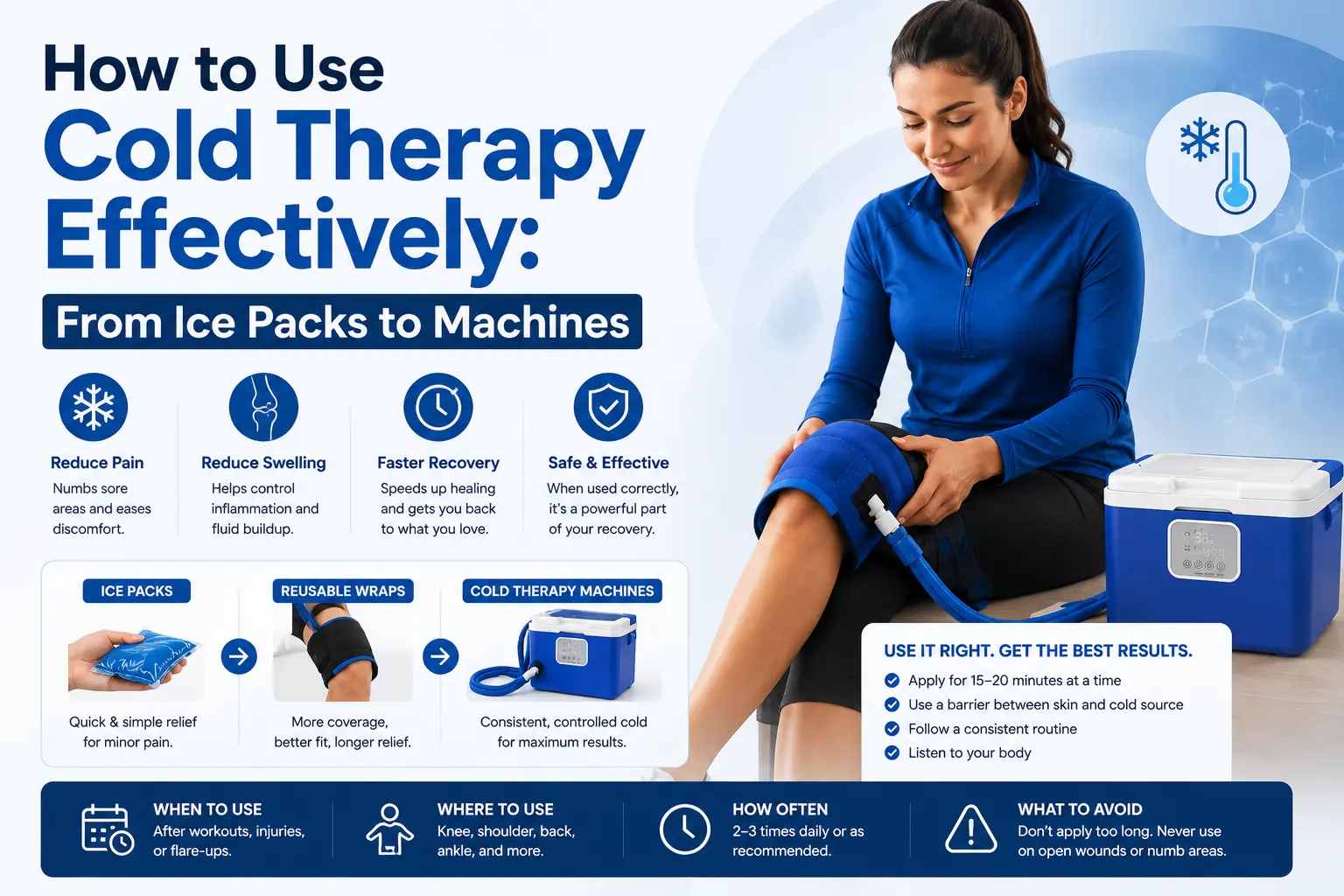

Cold Therapy for Pain Relief: A Precision Guide to Faster Recovery
You wake up and your lower back seizes as you try to sit up. Every step toward the bathroom is a negotiation with pain. Or maybe you just crossed the finish line of your first marathon, your legs filled with concrete while a deep, throbbing ache settles in. Injuries and soreness don’t just hurt. They steal your momentum, your sleep and your sense of control.
Cold therapy, often reduced to a bag of frozen peas can be your most powerful, natural tool to reclaim that control. But not just any cold will do.
KEY TAKEAWAYS
• Cold therapy works by constricting blood vessels and slowing nerve signals but its true power lies in matching the cooling method and duration to your specific stage of healing.
• For acute injuries, immediate and intermittent cold application within the first 48 hours can dramatically reduce swelling and pain.
• Cold therapy machines offer precise, continuous cooling that outperforms ice packs for post-surgical recovery and managing chronic pain flare-ups.
• Safety is non-negotiable: always use a barrier, limit sessions to 15-20 minutes and monitor skin for signs of cold injury.
• The choice between cold and heat hinges on whether you’re dealing with acute inflammation (cold) or chronic stiffness and muscle tightness (heat).
The real transformation happens when you stop treating cold as a blunt instrument and start using it with precision matching the method and duration to your body’s stage of healing.
This guide will walk you through the foundational science from vasoconstriction and nerve signaling to the practical protocols that turn that science into relief.
You’ll learn exactly when a simple ice pack is enough when a cold therapy machine becomes the game-changer and how to avoid the mistakes that can set recovery back.
After knee surgery, I saw firsthand how much of a difference controlled cold therapy can make. One patient started using a cold therapy machine within the first few days post-op and immediately noticed a more consistent, soothing relief compared to standard ice packs. The steady cooling, combined with compression, helped reduce swelling more effectively, allowing them to begin short, comfortable walks sooner than expected. That early progress made a noticeable difference in both confidence and overall recovery momentum.
By the end, you won’t just understand cold therapy. You’ll know how to wield it with confidence whether you’re managing a fresh sprain, recovering from a procedure or quieting a chronic pain flare-up. No guesswork. Just a clear, personalized plan that puts you back in command of your own recovery.
Now, let’s examine the science that makes cold therapy effective.
Understanding Cold Therapy: The Science Behind the Chill
Before exploring benefits, it’s essential to understand the science. Cold therapy or cryotherapy is far more than a bag of frozen peas. It’s a deliberate physiological intervention that when timed right can reshape how your body responds to injury and pain.
What is Cold Therapy (Cryotherapy)?
Cryotherapy is the therapeutic application of cold to lower tissue temperature. Its core idea is simple cooling the body’s surface triggers a cascade of internal reactions that reduce pain, swelling and cellular stress. This isn’t a modern fad. Ancient Egyptian and Greek physicians packed wounds with snow and ice to numb pain and calm inflammation.
What’s changed is our ability to explain why those methods worked
Cold therapy’s benefits are not just about the sensation of cold. They stem from predictable measurable physiological responses. The same vasoconstriction that makes your fingers pale in winter is harnessed deliberately to protect injured tissue.
Modern devices from simple gel packs to motorized cold therapy machines, all aim to deliver that cooling in a controlled, repeatable way. The science behind them gives you a powerful tool for taking charge of your own recovery.
How Cold Therapy Works: The Physiological Response
The moment cold hits your skin, blood vessels in the area narrow. This reflexive vasoconstriction happens because cooling increases the affinity of alpha-adrenergic receptors for norepinephrine in the vessel walls. In plain terms, the vessels become more sensitive to a chemical signal that tells them to constrict.
Blood flow drops, which slows the rush of fluid and inflammatory cells into damaged tissue. Swelling is kept in check not eliminated but meaningfully reduced.
At the same time, cold numbs pain. Nerve fibers transmit signals more slowly when their temperature falls. You feel less discomfort because the “pain message” simply doesn’t travel as fast. This isn’t just a surface effect.
Deeper tissues also benefit from a lower metabolic rate. Injured cells, desperate for oxygen can enter a dangerous spiral where their frantic activity causes more damage. Cooling lowers that metabolic demand giving cells a chance to stabilize. It limits secondary damage that would otherwise extend the injury beyond the initial trauma.
Muscle spasms and stiffness often follow an acute injury. Cold therapy helps here too. By reducing nerve activity and muscle spindle sensitivity, it can break the pain-spasm-pain cycle. The result is less pain and a greater ability to start gentle movement earlier, which is critical for long-term healing.
The evidence for these effects is not just theoretical. A Cochrane systematic review examined cold therapy after total knee replacement and found that patients who used it reported pain scores 1.6 points lower on a 0-10 scale (3.2 versus 4.8) and gained an extra 8.3 degrees of knee flexion compared to those who didn’t.
That’s a clinically meaningful difference in both comfort and function.
To maintain accuracy and credibility, the explanations in this article draw on peer-reviewed literature, including Cochrane reviews and research on cold-induced vasoconstriction. This evidence-based approach helps distinguish clinically supported practices from common misconceptions.
With the physiology clear, let’s examine the core benefits.
Core Benefits of Cold Therapy for Pain Relief and Recovery
Now that we understand the mechanisms, let’s see the tangible benefits. Cold therapy delivers three distinct advantages that work together to control pain, limit tissue damage, and speed your return to activity.
Immediate Pain Reduction
Cold directly slows the speed at which nerves transmit pain signals. When you apply an ice pack, skin temperature drops, and the nerve fibers responsible for sharp pain become sluggish. This numbing effect provides immediate relief, often within minutes.
The drop in tissue temperature effectively raises the threshold for pain perception, so what would normally register as a sharp ache becomes a dull, distant sensation. It buys you a window of comfort when you need it most right after an injury or during a flare-up.
I’ve seen how immediate the impact of cold therapy can be in acute injuries. One patient described the moment they applied a cold pack to a freshly sprained ankle the sharp, throbbing pain began to dull within minutes. That early relief allowed them to relax the joint, reduce guarding and rest more comfortably during the critical first phase of recovery.
Reducing Inflammation and Swelling
After an injury, the body rushes inflammatory cells to the site. That response is necessary but excessive swelling can crush healthy tissue and delay healing.
Cold therapy triggers vasoconstriction the narrowing of blood vessels which restricts the flow of these cells and fluids into the injured area. By slowing metabolic activity, it also reduces the oxygen demand of damaged cells, preventing secondary cell death that would otherwise extend your recovery. This is where timing becomes everything.
Cold therapy is most effective when used early. Applying it within the first 24 to 48 hours after an acute injury helps slow the inflammatory response and may reduce the risk of additional tissue stress. Missing this window can limit its overall effectiveness in managing swelling.
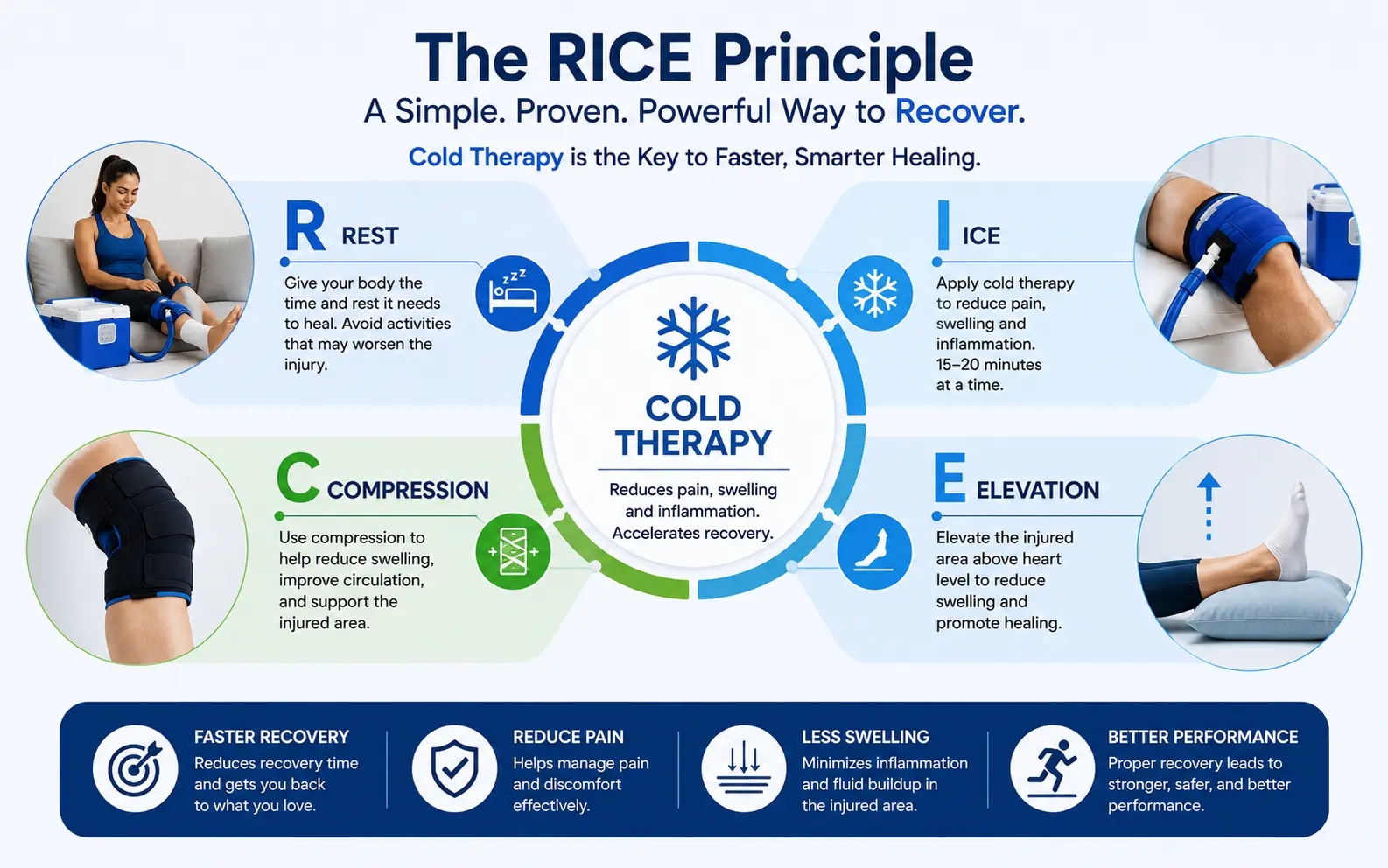
The RICE protocol (Rest, Ice, Compression, Elevation) has long relied on this early intervention. Cold therapy is the cornerstone that makes the other steps work harder. Compression and elevation help move fluid away but without the initial vascular clamp of cold, the floodgates stay open. When you get the timing right, you dramatically shrink the window of vulnerability where tissues can break down further.
Accelerating Muscle and Joint Recovery
For athletes, delayed onset muscle soreness (DOMS) can derail training. Research consistently shows that cold water immersion after intense exercise lowers DOMS and key inflammatory biomarkers, helping you get back to training sooner. The effects aren’t limited to elite performance.
Clinical evidence highlights similar benefits in post-operative recovery patients using cold therapy after total knee replacement reported a 1.6-point reduction in pain and gained an extra 8.3 degrees of knee flexion compared to those without it. That gain in range of motion can mean the difference between a stiff, guarded joint and a functional one that lets you return to daily life faster.
Cold therapy also supports the repair cycle by keeping inflammation in check without shutting it off entirely. The goal isn’t to eliminate the healing cascade but to modulate it so you can move sooner and with less pain. Get a complete picture of muscle recovery strategies in our Ice Therapy for Sore Muscles guide and see how athletes tailor cold therapy in Cold Therapy for Sports Injuries.
These benefits extend across diverse applications from surgery to sports.
Diverse Applications of Cold Therapy
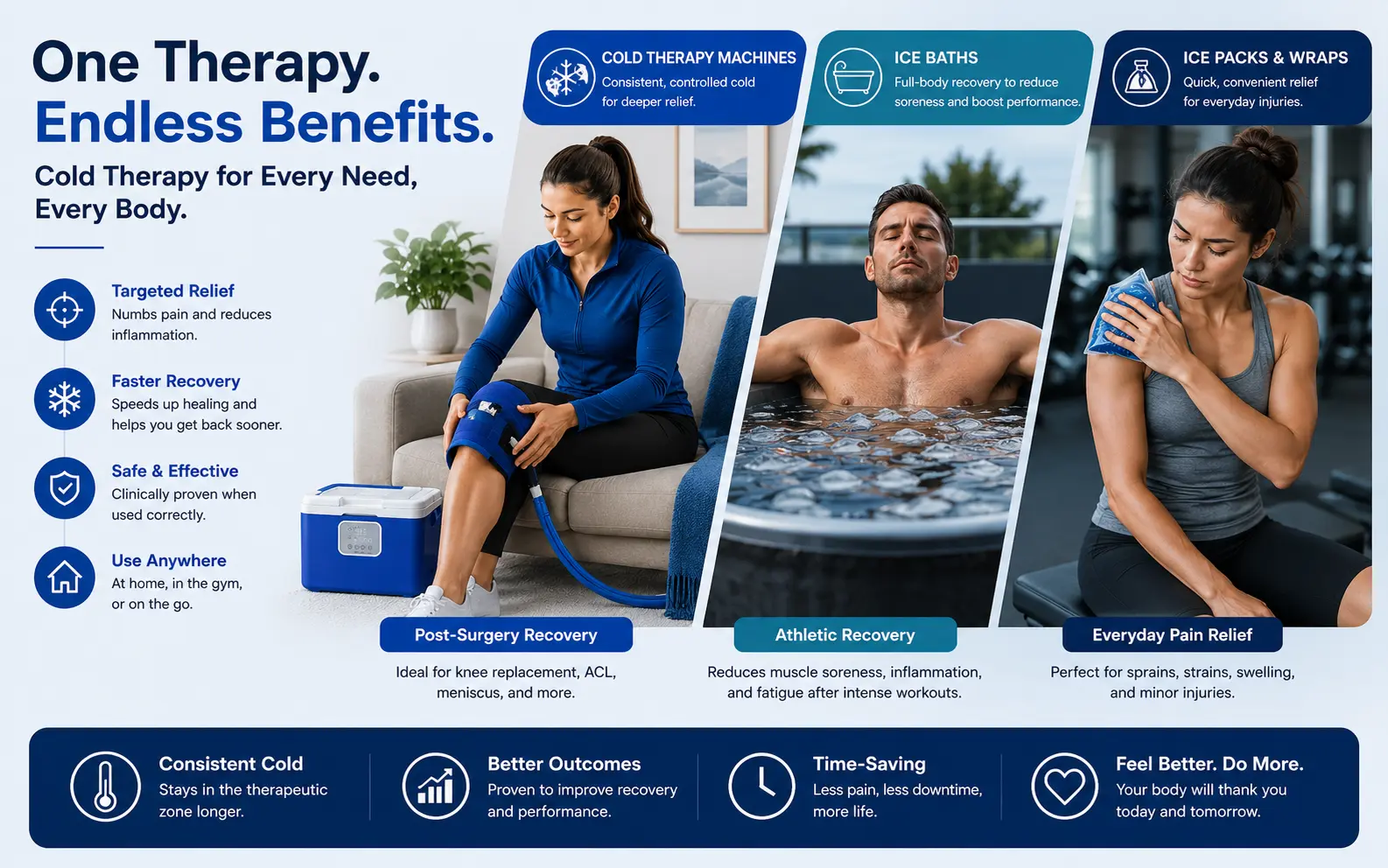
Cold therapy’s benefits are not limited to one scenario they apply broadly. Whether you’re recovering from surgery, managing a chronic condition or pushing your athletic limits, targeted cooling can reshape your recovery timeline and your daily comfort. The key is matching the approach to the stage of healing. Let’s walk through three distinct applications where cold therapy proves its versatility.
Post-Surgical Recovery
After major orthopedic surgery, the body’s inflammatory response can stall progress. Swelling limits range of motion, and pain discourages the early movement essential for rehabilitation. Cold therapy steps in as a simple, non-pharmacological tool that directly counters both.
Research on total knee replacement patients shows precisely what’s possible. Adding cold therapy to standard post-operative care reduced pain by 1.6 points on a 0-10 scale, from 4.8 down to 3.2 and improved knee flexion by 8.3 degrees. Those gains aren’t just numbers.
They translate to more comfortable physical therapy sessions, earlier mobility milestones and a faster return to walking without assistance. The mechanism is straightforward vasoconstriction reduces blood flow to the surgical site limiting the cascade of inflammatory fluids that cause stiffness and pain.
For a deeper look at protocols and timing, see our dedicated guide on Cold Therapy After Knee Surgery.
Consider a hypothetical patient, a 62-year-old woman recovering from a total knee replacement. In the first 48 hours, her knee was warm, swollen and resistant to even passive flexion. Her surgeon prescribed a cold therapy machine that circulated chilled water through a wrap around the joint. Within two days, she could bend her knee to 70 degrees with less guarding.
By the end of week one, her pain at rest had dropped from a 6 to a 3 and she was walking short distances with a walker. The consistent, gentle cooling gave her the confidence to push through rehab exercises, knowing the cold would temper the aftermath. That sense of control over her own recovery became a turning point.
Chronic Pain Management
For those living with arthritis or sciatica pain isn’t an acute event. It’s a persistent companion that wears down mobility and mood. Cold therapy offers a way to interrupt the cycle without relying solely on medication.
In arthritic joints, inflammation feeds stiffness. Applying a cold pack or wrap for 15-20 minutes constricts surface blood vessels, dialing down the inflammatory signals that make mornings so difficult.
The relief is often temporary, but repeated sessions can improve joint function enough to make daily tasks, like climbing stairs or gripping a mug, feel less daunting. For sciatica, the target shifts to nerve pain.
Cold therapy numbs the superficial tissues and may reduce the swelling that irritates the sciatic nerve root, easing the sharp, radiating discomfort that travels down the leg.
“One of the most rewarding outcomes I’ve seen with cold therapy is improved hand function in osteoarthritis patients. After introducing daily cooling sessions, one patient experienced enough reduction in stiffness and pain to regain fine motor control, allowing them to button a shirt independently again. These small functional gains often matter more than pain scores alone.”
These applications are straightforward but consistency matters more than intensity. Short, frequent sessions tend to outperform one long, aggressive icing. For comprehensive protocols explore our articles on Cold Therapy for Arthritis Pain and Ice Therapy for Sciatica.
Sports and Exercise Recovery
Athletes have long known that cold water immersion can quiet the deep muscle ache that follows a hard session. The evidence backs them up cold water immersion consistently reduces delayed onset muscle soreness (DOMS) and lowers inflammatory biomarkers after exercise. That’s not just about comfort. When soreness fades faster, athletes can train again sooner with better quality movement, reducing the risk of compensatory patterns that lead to overuse injuries.
For the amateur runner or weekend warrior, the same principle applies. After a long run or an intense gym session, a 10-15 minute soak in cold water (around 50-59°F) can cut the perception of fatigue and keep you moving the next day.
Professional athletes often use contrast therapy or dedicated cold plunge tubs but a bathtub filled with cold water and ice cubes is a practical starting point.
The goal isn’t to numb everything it’s to use cold strategically, during the window when inflammation peaks, to support the body’s natural repair processes.
Match the modality to the training load. After a heavy leg day, cold water immersion might be your best bet. For localized soreness in shoulders or calves, a targeted cold wrap or ice massage can be just as effective and far more convenient. The real advantage is faster recovery without systemic fatigue, letting you string together quality workouts week after week.
To better understand the impact of cold water immersion, I tested recovery following the same workout performed on separate days once with post-exercise cooling and once without. The next day, soreness levels were subjectively lower after the cold immersion session and range of motion felt less restricted. Without cooling, stiffness was more noticeable especially during initial movement. This kind of hands-on comparison highlights how cold therapy can influence perceived recovery.
Choosing the right type of cold therapy is crucial for optimal results. The next section will walk you through the spectrum of tools from simple ice packs to advanced cold therapy machines, so you can select the solution that fits your body’s needs and your lifestyle.
Types of Cold Therapy: Choosing Your Solution
Now, let’s explore the tools at your disposal. The right choice transforms cold therapy from a chore into a seamless part of your recovery and the difference often comes down to consistency. A method that demands constant attention can easily fall by the wayside, while one that integrates quietly into your routine does the real work.
Traditional Methods
These are the familiar, grab-and-go solutions most people start with. Ice packs and gel packs live in nearly every freezer. They cost next to nothing and can be molded around a swollen ankle or sore shoulder in seconds. The trade-off is that their cooling is short-lived and uneven.
A gel pack warms up within 15-20 minutes losing the therapeutic temperature window just when tissues need it most and the surface against your skin can be far colder than the edges, leading to inconsistent vasoconstriction. You end up cycling packs, refreezing and managing a wet, dripping mess that pulls you out of rest and into the kitchen.
Cold compresses, often a simple cloth soaked in icy water are even more basic. They work for a quick, gentle cool-down of a superficial bruise or a headache but they won’t reach deeper joint structures. For full-body recovery, ice baths are a different beast entirely.
Submerging yourself in 50-59°F water for 10-15 minutes can dampen systemic inflammation and ease the deep muscle ache of DOMS after a brutal training session. That broad, anti-inflammatory effect is unmatched by a local pack.
Yet ice baths demand grit, precise timing and a tolerance for discomfort that isn’t practical for an acute sprain or a post-surgical knee. Overdo it and you risk skin damage or a dangerous drop in core temperature. They are a powerful athletic tool not a gentle daily healer.
Advanced Cold Therapy Solutions
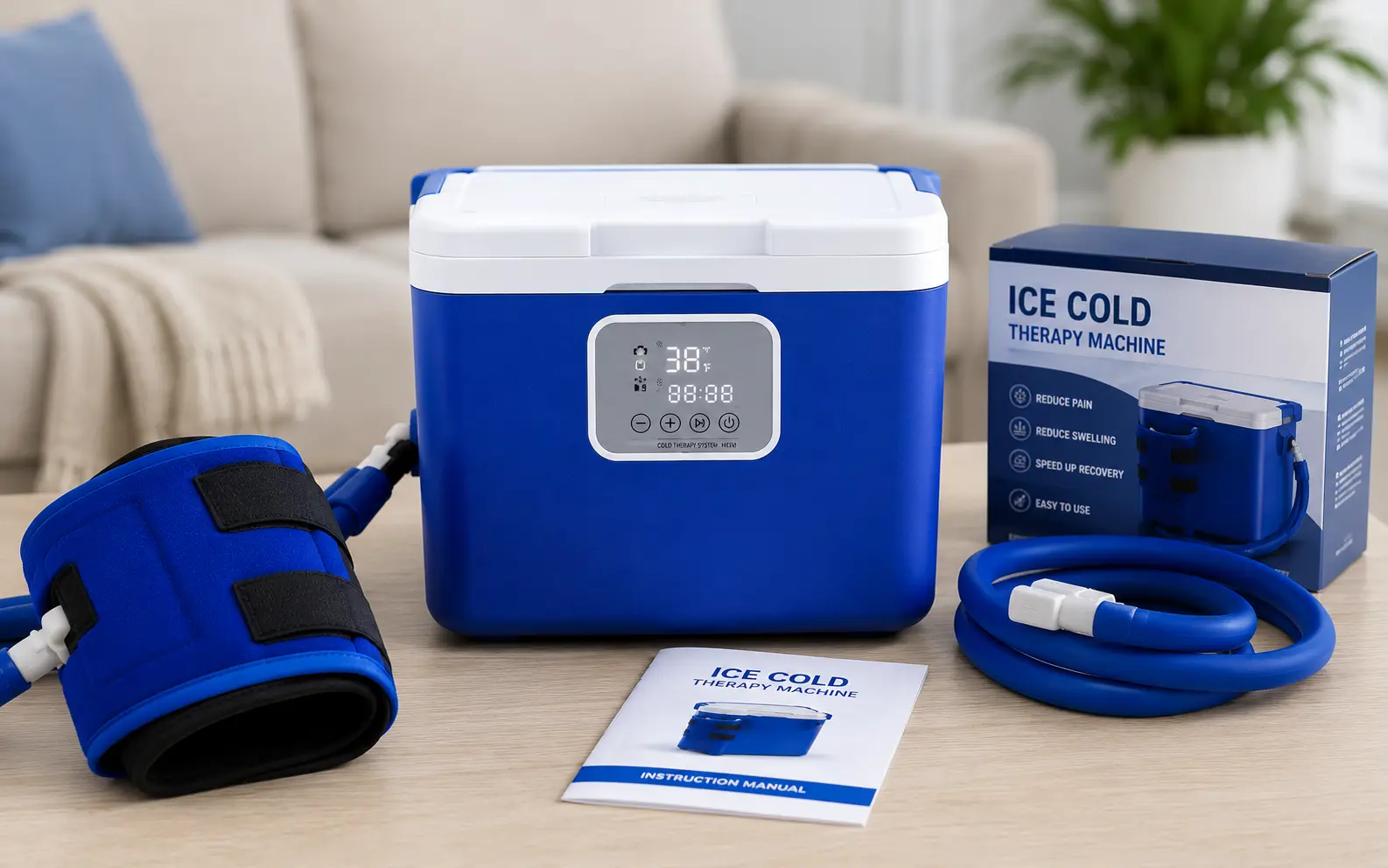
This is where the experience shifts from reactive icing to proactive, controlled recovery. A cold therapy machine circulates chilled water from a reservoir through a wrap that hugs your joint or limb. The temperature stays steady, often for hours, without the peaks and valleys of a melting ice pack.
Because the cooling is continuous and evenly distributed, vasoconstriction remains consistent and the relief doesn’t interrupt your sleep or your focus. There’s no dripping condensation, no refreezing and the wrap applies gentle compression that helps limit swelling even further.
After knee surgery, I’ve seen how frustrating traditional icing can be. One patient initially relied on standard ice packs, constantly adjusting them as they melted, dealing with uneven cooling and frequent interruptions. After switching to a cold therapy machine, they described the experience as “set-and-forget” consistent, soothing relief without the hassle. This not only improved comfort but also made it easier to stay consistent with therapy, which supported a smoother recovery process.
Supporting Long-Term Recovery at Home
One of the biggest challenges with cold therapy isn’t understanding that it works, it’s staying consistent with treatment over days or weeks. While reusable ice packs are effective for occasional pain or minor injuries, they can become inconvenient when frequent icing is part of your recovery routine.
If your rehabilitation plan involves multiple cold therapy sessions each day, a recirculating cold therapy system may provide a more practical alternative by delivering consistent cooling without the need to constantly replace melting ice packs. The FeelGoodEase Cold Therapy Unit is one example of a home-use system designed to support regular recovery sessions. Whether it’s the right choice depends on your specific condition, treatment goals, and the recommendations of your healthcare professional.
When evaluating a machine, look for adjustable temperature control so you can dial in comfort without numbing the skin, a quiet pump and a wrap that fits your specific body part well. Portability matters too some units are compact enough to move from bed to couch. For a detailed look at what to prioritize, our Cold Therapy Machine Buying Guide walks you through the essentials.
For those seeking a more consistent and hassle-free recovery experience, cold therapy machines offer a clear advantage over traditional ice packs. Systems designed with continuous cooling and built-in compression provide steady, mess-free relief without the need for constant adjustment. This makes them particularly useful after surgery or injury, where consistency and ease of use can significantly impact recovery.
Beyond personal units, whole-body cryotherapy chambers expose you to ultra-cold air for two to three minutes. They can trigger a systemic anti-inflammatory response and a rush of endorphins that some athletes swear by for recovery and mood. However, they are not a tool for acute injury care the rapid, extreme cold is too intense for a freshly sprained ankle and they require a visit to a specialized facility.
Specialized wraps and devices fill the middle ground compression sleeves with removable gel packs, or portable, battery-powered cooling units that strap onto a calf or shoulder. These offer more targeted relief than an ice bath and more mobility than a plugged-in machine, though they still can’t match the duration and temperature stability of a full cold therapy system.
Your choice boils down to a few honest questions. Is this an acute injury that needs frequent, short cooling sessions? A simple gel pack may suffice. Are you an athlete chasing faster muscle recovery between training blocks? An ice bath might earn its place.
But if you’re recovering from surgery, managing a chronic pain condition, or simply need reliable, low-effort relief that doesn’t chain you to the freezer, an advanced cold therapy machine shifts the entire experience from interruption to integration.
Knowing the types is one thing using them safely is another.
How to Safely and Effectively Use Cold Therapy
Now that you’ve chosen your cold therapy tool, the real question is how to use it safely. Too many well-intentioned people end up with skin damage or prolonged swelling because they skipped the basics. Let’s walk through the essential safety rules, how to run a cold therapy machine properly and when cold is the wrong choice altogether.
General Guidelines and Best Practices
The most critical rule is timing. Apply cold for 15-20 minutes at a time, no exceptions. Leaving ice on longer doesn’t speed healing it can backfire. After about 20 minutes, your body triggers a reflex called cold-induced vasodilation blood vessels suddenly widen increasing blood flow and swelling exactly the opposite of what you want.
More dangerously, prolonged cold can numb the skin to the point of nerve damage or frostbite. Set a timer every single time.
Next, always use a thin cloth barrier. Place a dry towel, pillowcase or t-shirt between the ice pack and your skin. Direct contact with ice, gel packs or even frozen vegetables can cause a cold burn within minutes. The barrier doesn’t diminish the cooling effect it just prevents tissue damage.
In one case, a runner tried to manage a sprained ankle by rolling a frozen water bottle directly over the area for extended periods. While it initially provided relief, the prolonged exposure led to a mild cold burn that took weeks to heal. Rather than accelerating recovery, this mistake prolonged discomfort and delayed their return to training.
Frequency matters, too. You can repeat cold therapy every 2-3 hours during the first 48 hours after an injury but never keep it on continuously. Check the skin after each session for persistent redness, blistering or a waxy appearance all signs of frostnip and reasons to stop immediately.
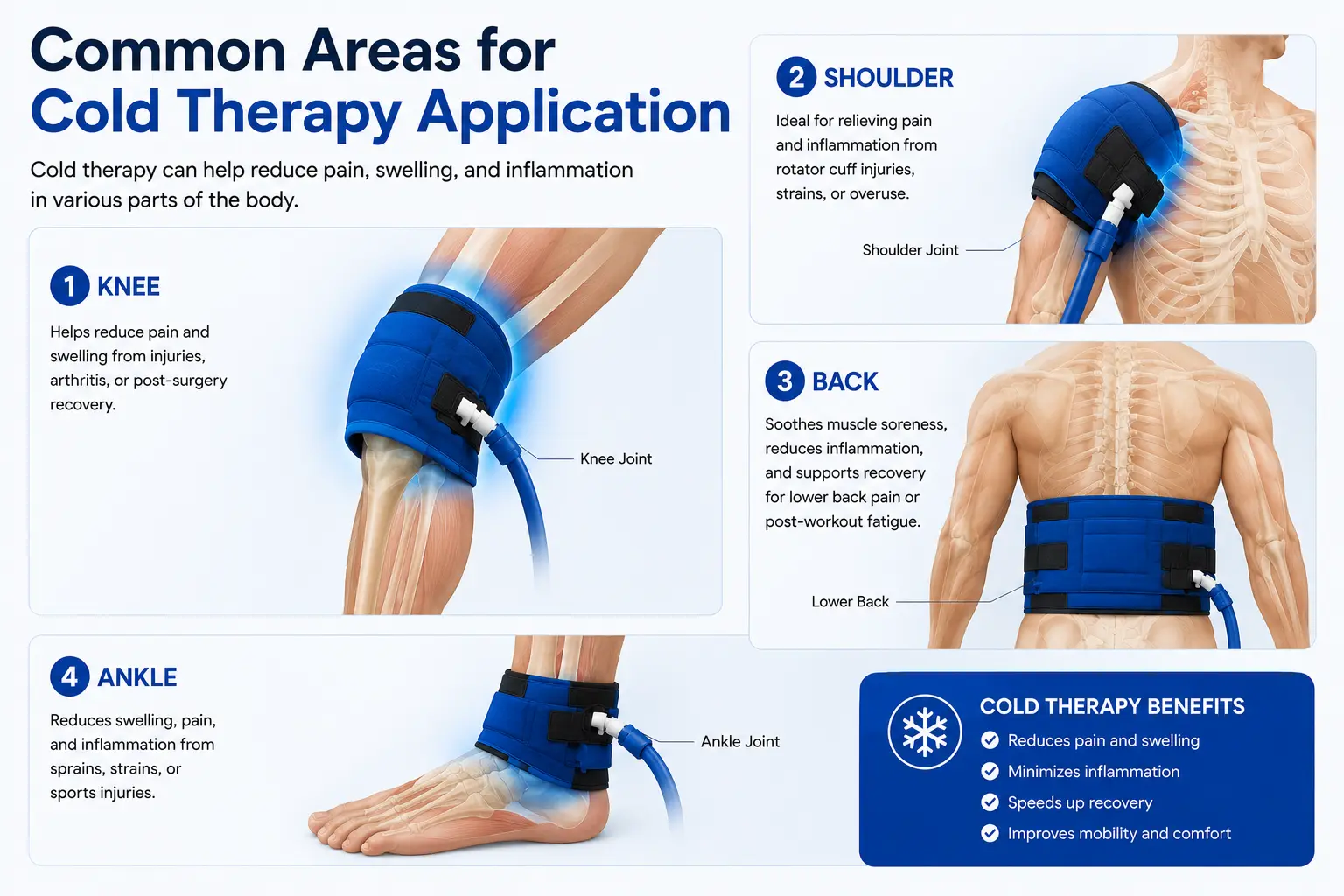
Using a Cold Therapy Machine
Cold therapy machines take the guesswork out of temperature control, but they demand a little setup. Fill the reservoir with a mix of ice and cold water (usually a 1:1 ratio works best) and attach the insulated hoses to the therapy wrap. Secure the wrap snugly (not too tight) around the injured joint then switch on the pump.
The machine circulates chilled water continuously, maintaining a steady, safe temperature for the entire session. This hands-free consistency is a game-changer for post-surgery recovery or overnight use.
The trade-off? Hygiene. A cold therapy machine’s dark, damp reservoir is a breeding ground for bacteria and mold. After each use, empty the water completely and wipe down the reservoir, hoses and wrap with a mild disinfectant or soapy water. Let everything air-dry fully before storing.
Skip this step and you risk a skin infection that can set back your recovery. For a complete walkthrough check our detailed instructions: How to Use and Clean a Cold Therapy Machine.
When to Choose Cold vs. Heat Therapy
The choice between cold and heat isn’t a matter of preference; it’s dictated by your body’s inflammatory state. In the first 48 to 72 hours after an acute injury, such as a sprained ankle, a pulled muscle or post-surgical swelling, cold is your best tool.
It constricts blood vessels, reduces metabolic activity at the injury site and numbs pain. Applying heat during this phase can increase swelling and prolong healing.
Once the acute inflammation subsides and you’re left with lingering stiffness or muscle knots, heat takes over. Heat dilates blood vessels, delivering oxygen and nutrients to tired tissues and relaxing tight muscles. Use it before activity to improve flexibility or at the end of the day to soothe chronic aches.
The table below provides a quick reference for common scenarios. For a deeper explanation, see our side-by-side comparison:Heat vs Cold Therapy.
| Condition | Recommended Therapy | Rationale |
| Acute Sprains/Strains | Cold | Reduces swelling and numbs pain during the inflammatory phase. |
| Post-Surgery Recovery | Cold | Controls post-operative swelling and provides consistent pain relief cold therapy machines are ideal. |
| Tendinitis (Acute onset) | Cold | Calms initial inflammation; heat may aggravate the tendon. |
| Chronic Muscle Soreness | Heat | Relaxes tight muscles and increases blood flow for healing; cold may increase stiffness. |
| Arthritis (Flare-ups) | Cold | Numbs joint pain and reduces inflammatory flare; heat can be used between flares for stiffness. |
| Stiffness/Tight Muscles | Heat | Loosens muscles and improves range of motion, especially before exercise. |
| Chronic Back Pain | Heat | For chronic, non-inflammatory back pain, heat relaxes paraspinal muscles; cold may be used if there’s an acute flare. |
| DOMS (Delayed Onset) | Cold | Reduces perceived muscle soreness and inflammation after intense exercise; cold water immersion or ice packs work well. |
Even with proper technique some individuals should avoid cold therapy entirely.
Important Considerations and Contraindications
Before you start, know the red flags. Cold therapy is a powerful, natural tool but it isn’t universally safe. Certain medical conditions can turn a simple ice pack or a targeted cryotherapy session into a genuine hazard. Understand the difference between a therapeutic chill and a dangerous trigger and always prioritize a thorough health screening before you begin.
When to Avoid Cold Therapy
Some conditions make cold application risky, no matter how mild the treatment seems. If you have any of the following, cold therapy should be off the table unless a healthcare provider explicitly clears you:
- Raynaud’s disease: where cold triggers painful spasms in small blood vessels, cutting off circulation to fingers and toes.
- Cold urticaria: an allergic skin reaction that produces hives and swelling upon contact with cold.
- Severe circulatory problems: including peripheral artery disease, where already compromised blood flow can worsen under vasoconstriction.
- Open wounds: ice applied directly to broken skin can delay healing and increase infection risk.
- Nerve damage in the application area: diminished sensation means you may not feel tissue damage until it’s too late.
Not every reaction to cold therapy is straightforward. I recall a patient who applied ice for what seemed like a routine hand issue but instead of typical relief, they experienced prolonged stiffness and color changes in the fingers. The response didn’t match a normal cooling effect and raised concerns about underlying vascular sensitivity. This situation reinforced the need to ask targeted questions about circulation and cold sensitivity beforehand.
The risk profile isn’t identical across all forms of cold therapy. A small ice pack held to an ankle carries a different danger than stepping into a whole-body cryotherapy chamber, where the systemic cold shock can aggravate underlying circulatory or respiratory issues. Whole-body cryostimulation, for instance, is explicitly contraindicated for people with Raynaud’s, cold urticaria, severe circulatory problems, or open wounds.
That’s why a tailored contraindication list matters: what’s safe for a local sprain might be perilous for a full-body exposure. For a complete rundown, refer to our dedicated Cryotherapy Contraindications guide.
Special Populations
Pregnant individuals, children and older adults need extra caution. The body’s ability to regulate temperature shifts dramatically across these life stages and the research behind cold therapy in these groups is thin.
Pregnancy introduces a cascade of circulatory changes. While localized cold on a swollen ankle might seem harmless, whole-body cold exposure like a cold plunge, raises concerns about core temperature drops and cardiovascular stress. We discuss this in detail in our article on Cold Plunging During Pregnancy. Until you’ve spoken with your obstetrician, it’s wise to avoid any deliberate full-body chilling.
Children have a larger surface-area-to-body-mass ratio, so they lose heat faster. Their skin is thinner and they may not communicate discomfort clearly. If cold therapy is used, say, for a sports injury, keep sessions short (5-10 minutes), always place a cloth between skin and ice and supervise continuously.
Explicit pediatrician clearance is non-negotiable for anything beyond a simple ice pack.
Older adult soften have thinner skin, reduced circulation and conditions like diabetes that impair sensation. The standard 20-minute ice rule can be too aggressive a 10-minute application with careful skin checks is a safer starting point. When in doubt, the safest cold therapy is none at all until a healthcare provider evaluates the individual.
To get the most from your cold therapy consider accessories and proper maintenance.
Maximizing Your Cold Therapy Experience with Accessories and Maintenance
Accessories and maintenance can extend the life and effectiveness of your therapy. Once you’ve determined that cold therapy is safe for your situation, it’s time to look at the gear that keeps your sessions consistent and comfortable. A well-maintained machine delivers the precise, uninterrupted cooling that your recovery plan demands, while neglected components can turn a therapeutic tool into a source of frustration or even infection.
Essential Accessories
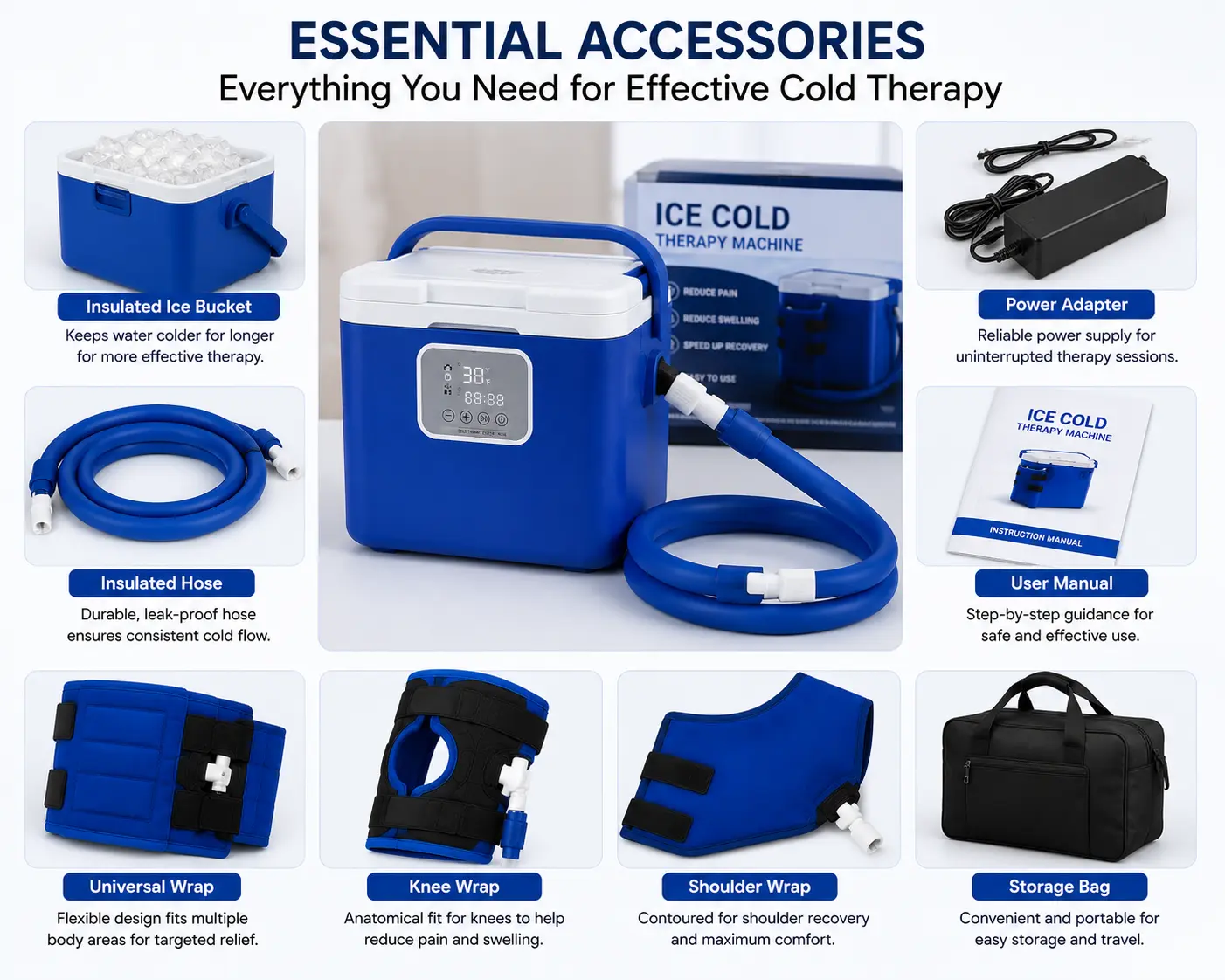
A cold therapy machine is only as reliable as its contact points and power supply. The wrap that hugs your knee, shoulder or back endures repeated use. Over time, the fabric can lose elasticity and the inner lining may develop micro-tears that harbor moisture and bacteria. A worn wrap no longer seals tightly, so the cold isn’t distributed evenly and your skin may become irritated from chafing or trapped dampness.
Swapping in a manufacturer-approved replacement restores the snug, consistent contact that makes therapy effective.
A detail that’s often overlooked is the condition of the wrap itself. One patient continued using an older knee wrap that had started to loosen and wear out, which affected how evenly the cold therapy was delivered. After switching to a replacement wrap, the fit improved noticeably, resulting in more consistent cooling and a cleaner more comfortable experience.
Hoses are the circulatory system of your device. Pinched, cracked or loose tubing silently undermines performance. A slow leak can drip water onto your floor or into the unit’s electronics and uneven flow means the wrap won’t reach its target temperature. Inspect the hose path every few sessions and replace any section that feels stiff or shows discoloration. A fresh set of hoses is a cheap insurance policy against mid-session breakdowns.
It’s easy to overlook small components like hoses but they play a critical role in cold therapy systems. I’ve seen cases where a worn or slightly damaged hose caused minor leaks and inconsistent water flow, reducing the effectiveness of cooling. Replacing the hose restored smooth circulation and prevented further issues, ensuring both safety and reliable performance.
Power interruptions are especially frustrating during a multi-day recovery when you rely on round-the-clock cold therapy. A spare power adapter eliminates that risk. Keep one plugged in at your bedside and another in the living room or pack a backup when you travel. You won’t have to pause treatment while hunting for a compatible charger and the machine can run continuously through the night without worry.
Consistency is key in recovery and even small disruptions can add up. A patient once had to pause sessions frequently due to power issues with their device. Adding a spare adapter eliminated these interruptions, ensuring smooth, reliable therapy particularly important during the early stages of recovery when consistency matters most.
Cleaning and Storage
The humid, enclosed environment inside a cold therapy wrap is a perfect breeding ground for mold, mildew and bacteria. After each session, drain the reservoir, disconnect the wrap and wipe all surfaces that touched your skin with a disinfectant approved for medical devices. Let every component air-dry completely before reassembling.
Never reuse a damp wrap. Even a trace of leftover moisture can lead to a biofilm that’s invisible at first but causes skin infections or respiratory irritation over time.
Hygiene isn’t optional when you’re using a device to support medical recovery. A post-surgical incision or an area with compromised circulation is far more vulnerable to pathogens than healthy skin. Treat your cold therapy machine with the same cleanliness you’d expect from any clinical tool. That means drying the hose interior by running the pump briefly with the wrap disconnected and storing the unit in a dry, dust-free cabinet rather than on a bathroom floor where humidity lingers.
Recovery doesn’t stop at the therapy itself how equipment is maintained matters just as much. Moisture left in wraps or tubing can lead to irritation over time, especially on sensitive or healing skin. Keeping components clean and dry after each use reduces these risks and supports a more hygienic recovery environment.
When you store the machine for longer periods empty the water tank completely and leave the cap loose to prevent pressure buildup. Coil the hoses loosely without kinks and keep the power adapter wrapped neatly. These small habits pay off when you need the device again and it works flawlessly on the first try.
With the right accessories and a clean machine, you’re set for consistent relief. Let’s address common questions that come up during daily use.
Frequently Asked Questions (FAQs)
You have questions. We have answers. Here are the most common questions we hear about cold therapy, answered with the clarity you’d get in a treatment room.
The right duration depends on what you’re cooling. For larger muscle bellies like the thigh or calf, 15 to 20 minutes is the sweet spot long enough to trigger vasoconstriction and slow the inflammatory cascade but short enough to avoid overcooling the tissue. Over superficial nerves, however, the rules change.
Areas like the outside of the elbow or the top of the knee have less protective padding, so limit sessions to 10 minutes or less. Pushing past that window near a nerve can cause cold-induced nerve damage, a preventable injury that leaves numbness or tingling long after you remove the cold.
Yes and it’s often a cornerstone of early recovery, but only when it’s part of a deliberate strategy. Post-surgery cold therapy works best when you follow the full RICE protocol: combine the cooling with a compression wrap and keep the limb raised. That trio reduces swelling more effectively than cold alone. The biggest caution is wound care. Always follow your surgeon’s specific instructions, because excessive moisture or direct cold on a fresh incision can slow healing. If your surgeon recommends a cold therapy machine, you’ll get the added benefit of consistent, controlled temperature without the frequent rewarming of an ice pack.
It can but the role shifts from acute rescue to ongoing management. For chronic conditions like arthritis or persistent tendinopathy, cold therapy helps by reducing local inflammation and temporarily slowing nerve conduction, which quiets pain signals. The key is to see it as one piece of a larger plan. Relying on cold therapy alone often leads to diminishing returns. The real progress comes when you pair it with movement, physical therapy and the other active strategies your body needs to rebuild resilience. It’s a support tool not a standalone cure.
Ice packs are convenient and familiar, but they come with real limitations. A gel pack or bag of peas warms up quickly against your skin, delivering inconsistent cooling that peaks and fades. That’s fine for a quick sprain, but it falls short when you need prolonged, even temperature control.
A cold therapy machine solves that. It circulates chilled water through a wrap, maintaining a set temperature for hours. For post-operative recovery or managing stubborn swelling, that precision makes the machine far superior: it keeps the tissue at the therapeutic window without the guesswork or constant swapping.
Frostbite, skin irritation, and nerve palsy are the three risks that show up when cold therapy is used carelessly. All of them are preventable. Always use a cloth barrier, a thin towel or the pad that comes with your machine, between the cold source and your skin. That single layer stops moisture buildup and prevents direct freezing of the skin.
Stick to the time limits we discussed and check your skin every few minutes. If you notice unusual paleness, numbness, or a burning sensation, stop the session and let the area rewarm. These simple habits keep the therapy safe and effective.
Now, let’s wrap up with key takeaways.
Conclusion
We’ve covered a lot here’s the essence. Cold therapy’s core benefits, pain relief, inflammation control and faster recovery, aren’t just about applying something cold. They are amplified when you match the modality, timing and duration to where your body actually is in the healing process. That’s the difference between generic ice and real precision.
For an acute sprain, vasoconstriction and the RICE protocol make sense in the first couple of days. For chronic joint pain, a consistent, gentle cooling routine before activity can quiet flares and reduce reliance on medication.
The tool itself matters less than how you use it. A cold therapy machine, for instance, delivers the consistent, controlled temperature that spot-treating with a frozen gel pack simply can’t replicate over a longer session. The power is in the protocol, not just the cold.
One runner I worked with had been dealing with persistent knee pain for years, trying icing occasionally but never seeing lasting relief. The turning point came when they committed to a consistent routine using a cold therapy machine for about 20 minutes after every run. Within weeks, the pattern of post-run discomfort started to ease, and over time they were able to return to running without the same lingering pain. It wasn’t just the tool that made the difference but the consistency it enabled.
FeelGoodEase cold therapy solutions are built around this idea of accessible precision. They put consistent, controlled cooling into your hands at home. You don’t need to visit a clinic every time your back tightens up or your knee swells. It’s a practical way to take an active role in your own recovery.
Cold therapy isn’t a temporary fix. It’s a natural, evidence-backed tool that, when used correctly, helps you move better, feel better and live more fully. If you’re ready to move beyond guesswork, explore the FeelGoodEase collection and find the system that fits your stage of healing. Your next pain-free morning starts with that one deliberate choice.
